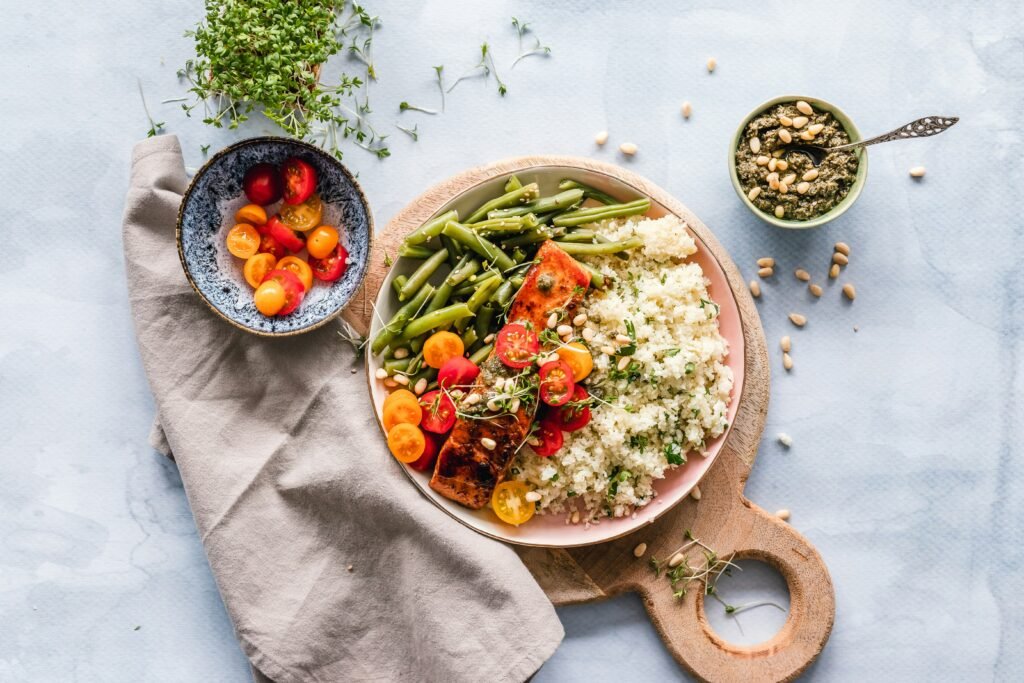
Eating well without breaking the bank is totally doable. The trick is to focus on whole, nutrient-dense foods that are naturally affordable. You don’t need fancy superfoods or expensive pre-packaged meals to be healthy; simple, everyday ingredients can pack a serious nutritional punch and keep your wallet happy.
Before you even start thinking about specific foods, it’s all about how you approach your grocery shopping. A little planning goes a long way in making healthy eating affordable.
Meal Planning is Your Best Friend
This is probably the most impactful habit you can adopt.
Look Ahead and List It Out
Spend a bit of time each week (Sunday evening is popular) thinking about what you’ll eat for breakfast, lunch, and dinner. This doesn’t have to be gourmet; think simple, repeatable meals. Write down everything you need based on your plan.
Stick to Your List
Seriously, the checkout line is where impulse buys can derail your budget. If it’s not on your list, and it’s not an absolute necessity, leave it there.
Navigating the Aisles for Value
Understanding where to find the best deals is key to stocking your kitchen with nutritious foods economically.
Embrace Store Brands (Usually)
For many staples like canned goods, pasta, rice, oats, and even frozen vegetables, store brands are often just as good as name brands but significantly cheaper. Give them a try.
Compare Prices Per Unit
Don’t just grab the first package you see. Look at the unit price (often listed on the shelf tag) to see what offers the best value. Sometimes a larger package is cheaper per serving, but not always.
Buy in Bulk When It Makes Sense
If you’ll use it before it spoils, buying things like rice, beans, oats, or even whole chickens (which you can break down yourself) in bulk can save money. Just make sure you have proper storage.
Don’t Shy Away from “Imperfect” Produce
Many stores now offer discounted produce that might have a bruise or be slightly misshapen. These are perfectly fine for cooking, smoothies, or sauces and can save you a good chunk of change.
The Powerhouses: Affordable Protein Sources
Protein is essential for feeling full and repairing your body, and thankfully, some of the most affordable options are also incredibly nutritious.
Legumes: The Unsung Heroes
Beans, lentils, and peas are nutritional powerhouses and some of the cheapest foods you can buy.
Dried vs. Canned
Dried beans and lentils are significantly cheaper than their canned counterparts, but they do require soaking and longer cooking times. If you’re short on time, canned are still a great option, just give them a rinse to reduce sodium.
Versatility is Key
- Lentils: Cook them into soups, stews, curries, or use them as a base for vegetarian “meatloaf” or shepherd’s pie. They cook relatively quickly.
- Black Beans/Kidney Beans: Perfect for chili, tacos, burritos, salads, and even baked goods (seriously, black bean brownies are a thing and they’re good!).
- Chickpeas: Great in hummus, curries, roasted for a snack, or added to salads.
A Nutritional Boost
These are packed with fiber, protein, iron, folate, and other important micronutrients. They’re also naturally low in fat.
Eggs: Nature’s Perfect Package
Eggs are a complete protein, meaning they contain all the essential amino acids your body needs. They are also incredibly versatile and affordable.
The Versatile Egg
- Breakfast staple: Scrambled, fried, boiled, or in an omelet.
- Baking: Essential for binding ingredients and adding richness.
- Quick meals: Add a fried egg to ramen, rice bowls, or even a salad.
Nutritional Breakdown
Eggs provide high-quality protein, healthy fats, vitamins A, D, E, B vitamins, and minerals like selenium and choline.
Chicken Thighs and Drumsticks: Flavorful and Budget-Friendly
While chicken breast can be pricey, thighs and drumsticks are usually much more affordable and often more flavorful due to their higher fat content.
Break Down a Whole Chicken
If you’re feeling adventurous, buying a whole chicken and breaking it down yourself can be the most cost-effective way to get chicken pieces. You can also use the carcass to make homemade chicken broth.
Cooking Methods
- Roasting: Simple and delicious. Toss with herbs and spices.
- Braising: Cooking them slowly in liquid makes them incredibly tender.
- Soups and Stews: The bones add great flavor to broths.
Nutrient Rich
Chicken is a good source of lean protein, B vitamins, and minerals like phosphorus and selenium.
Canned Fish: Shelf-Stable Nutrition
Canned tuna, salmon, and sardines are excellent sources of protein and omega-3 fatty acids, and they last a long time.
Choose Wisely
- Tuna: Look for light tuna packed in water for a leaner option.
- Salmon: A fantastic source of omega-3s.
- Sardines: Don’t let their size fool you; they are packed with calcium (if you eat the bones), protein, and omega-3s.
Easy Meals
- Tuna salad sandwiches or melts.
- Salmon patties.
- Sardines on toast or crackers.
- Add to pasta dishes or salads.
The Omega-3 Advantage
These healthy fats are crucial for brain health and reducing inflammation.
Filling Up with Affordable Produce

Fruits and vegetables are where the bulk of your vitamins, minerals, and fiber will come from. You don’t need exotic varieties to be healthy.
Root Vegetables: Grounded in Goodness
These often overlooked veggies are hardy, affordable, and packed with nutrients.
Carrots
- Versatile: Eat them raw, roasted, steamed, in soups, stews, or even baked goods.
- Nutrients: Excellent source of beta-carotene (which your body converts to Vitamin A), Vitamin K, and fiber.
Potatoes (Sweet and Regular)
- Filling and Cheap: A staple in many diets. Sweet potatoes are a nutritional superstar.
- Nutrients (Sweet Potatoes): High in Vitamin A, Vitamin C, manganese, and fiber.
- Nutrients (Regular Potatoes): Good source of potassium, Vitamin C, and B6. Don’t fear the potato – they are nutritious, especially with the skin on!
Onions and Garlic
- Flavor Base: Essential for adding depth and flavor to almost any savory dish.
- Health Benefits: Contain antioxidants and compounds that may have anti-inflammatory and immune-boosting properties.
Frozen and Canned Produce: Your Secret Weapons
Don’t underestimate the power of frozen and canned fruits and vegetables. They are often just as nutritious as fresh, can be cheaper, and last much longer, reducing waste.
Frozen is Fantastic
- Nutrient Lock-in: Produce is typically frozen at peak ripeness, locking in nutrients.
- Convenience: Pre-washed and pre-chopped, saving you prep time.
- Examples: Frozen berries (great for smoothies and baking), frozen spinach, broccoli, peas, corn.
Canned Options for Ease
- Rinse to Reduce Sodium: When buying canned vegetables or fruits in syrup, rinse them thoroughly to remove excess sodium or sugar.
- Examples: Canned tomatoes (diced, crushed, whole – a pantry staple for sauces and soups), canned corn, canned peas.
Seasonal Savings
If you have access to farmers’ markets or bulk produce sections, buying what’s in season is usually the cheapest way to get fresh fruits and vegetables.
Bananas and Apples: Everyday Fruit Staples
These are almost always affordable and readily available, making them easy to incorporate into your diet.
Bananas
- Portable Snack: Perfect for on-the-go.
- Nutrients: Good source of potassium, Vitamin B6, and fiber.
- Usage: Eat them plain, slice them into oatmeal, or blend them into smoothies. Overripe bananas are perfect for banana bread.
Apples
- Fiber Rich: Especially when eaten with the skin.
- Nutrients: Provide Vitamin C and antioxidants.
- Usage: Eat them raw, bake them into pies or crisps, or add them to salads.
Smart Grains and Starches: Energy for Less

Grains and starchy foods are a fantastic source of energy and fiber, and many are incredibly budget-friendly.
Oats: The Breakfast Champion
Oats are incredibly cheap, versatile, and a fantastic source of soluble fiber, which is great for heart health and keeping you full.
Rolled Oats vs. Steel-Cut Oats
- Rolled Oats: Cook relatively quickly and are very affordable.
- Steel-Cut Oats: Offer a chewier texture and take longer to cook, but are also a great option if you have the time. Instant oats are often less nutritious and more processed, so try to avoid them if possible.
Beyond Breakfast
- Baking: Add oats to cookies, muffins, or granola bars.
- Savory dishes: Use them as a binder in veggie burgers or meatloaf.
Fiber Powerhouse
The beta-glucan fiber in oats is renowned for its cholesterol-lowering benefits.
Rice: A Global Staple
Rice is a filling and inexpensive carbohydrate that forms the basis of meals for a huge portion of the world’s population.
Brown Rice vs. White Rice
- Brown Rice: Is a whole grain, meaning it retains its bran and germ, making it higher in fiber, vitamins, and minerals.
- White Rice: Is more processed and has less fiber and nutrients, but it cooks faster. If budget is paramount, white rice is still a decent option for calories and energy, but aim for brown when you can.
Buying in Bulk
Rice is one of those items that can be significantly cheaper when bought in larger bags.
Meal Prep Friendly
Cook a big batch of rice at the beginning of the week to easily add to stir-fries, curries, or serve as a side dish.
Pasta: A Comfort Food Classic
Pasta is another budget-friendly staple that can be a good source of carbohydrates for energy.
Whole Wheat vs. White Pasta
- Whole Wheat Pasta: Offers more fiber and nutrients than white pasta.
- White Pasta: Is more affordable and cooks faster.
Building Meals Around Pasta
Use pasta as a base for meals and load it up with affordable protein sources (like beans or lentils) and plenty of vegetables.
Bread: Choose Wisely
Bread can be a budget-friendly option, but it’s worth being mindful of what you choose.
Whole Grain is Best
Look for 100% whole wheat or whole grain bread for more fiber and nutrients. These tend to be slightly more expensive, but the nutritional benefit is worth it.
DIY Bread
If you have the time and inclination, making your own bread can be very cost-effective and allows you to control the ingredients.
Store Brand Bargains
Many grocery stores offer affordable store-brand whole grain breads that are good value.
Building a Balanced Plate Affordably
| Food Item | Nutrient Content | Average Price |
|---|---|---|
| Spinach | Vitamin A, Vitamin K, Iron, Calcium | 2.00 per bunch |
| Quinoa | Protein, Fiber, Magnesium, Iron | 3.00 per pound |
| Sweet Potatoes | Vitamin A, Vitamin C, Fiber, Potassium | 1.50 per pound |
| Beans (Black, Kidney, etc.) | Protein, Fiber, Iron, Potassium | 1.00 per can |
| Broccoli | Vitamin C, Vitamin K, Fiber, Potassium | 1.50 per bunch |
The goal is to create meals that are satisfying, nutritious, and don’t cost a fortune. It’s all about smart combinations.
The “Chop, Cook, Combine” Method
This is a simple way to think about building meals.
Chop: Your Veggies and Protein
Start with your affordable produce and protein. Think about what needs chopping.
Cook: Apply Heat (or Not)
Decide on your cooking method – boiling, steaming, roasting, or even just opening a can.
Combine: Bring It All Together
Mix your cooked components with your chosen grain or starch.
Example Affordable Meal Ideas
- Lentil Soup with Whole Wheat Bread: Hearty, filling, and packed with fiber and protein.
- Rice and Beans with Steamed Broccoli: A classic for a reason – cheap, filling, and customizable. Add spices for flavor.
- Oatmeal with Banana and a sprinkle of seeds: A nutrient-dense and cheap breakfast.
- Tuna Salad Sandwich on Whole Wheat Bread with a side of carrot sticks: Simple, protein-rich, and easy.
- Roasted Chicken Thighs with Roasted Potatoes and Onions: Flavorful, filling, and uses economical cuts and veggies.
- Chickpea Curry with Rice: A flavorful and nutritious vegetarian option using inexpensive ingredients.
Don’t Forget Flavor!
Healthy eating doesn’t have to be bland.
Spices and Herbs
Dried spices and herbs are your best friends for adding flavor without adding cost. Buy them in bulk when possible.
Onions, Garlic, and Vinegar
These are inexpensive flavor enhancers that can transform simple dishes.
Broth and Bouillon Cubes
Can add depth to soups, stews, and grains. Opt for lower-sodium options.
Reducing Food Waste
Wasting food is like throwing money in the bin.
Proper Storage
Learn how to store different fruits, vegetables, and leftovers to maximize their shelf life.
Use Everything
- Vegetable Scraps: Save vegetable peels and ends for making vegetable broth.
- Leftovers: Plan meals that can utilize leftovers, like turning roasted chicken into chicken salad or soup.
By focusing on these practical strategies and embracing the power of affordable whole foods, you can absolutely eat healthily on a budget without feeling deprived. It’s about making smart choices, a little planning, and getting creative in the kitchen.
FAQs
1. What are some affordable whole foods high in nutrients?
Some affordable whole foods high in nutrients include beans, lentils, brown rice, oats, eggs, canned tuna, frozen fruits and vegetables, and leafy greens like spinach and kale.
2. How can I eat healthy on a budget?
You can eat healthy on a budget by planning your meals, buying in bulk, choosing seasonal produce, opting for store brands, and avoiding processed and convenience foods.
3. Are there any cost-effective ways to incorporate more nutrients into my diet?
Yes, you can incorporate more nutrients into your diet by focusing on nutrient-dense foods like whole grains, lean proteins, fruits, and vegetables. You can also consider buying frozen or canned options, which can be more affordable and still nutritious.
4. What are some tips for grocery shopping on a budget?
Some tips for grocery shopping on a budget include making a list and sticking to it, comparing prices, using coupons and discounts, and avoiding shopping when you’re hungry to prevent impulse purchases.
5. How can I make healthy meals at home without spending a lot of money?
You can make healthy meals at home without spending a lot of money by meal prepping, cooking in batches, using leftovers creatively, and incorporating affordable ingredients like beans, lentils, and seasonal produce.