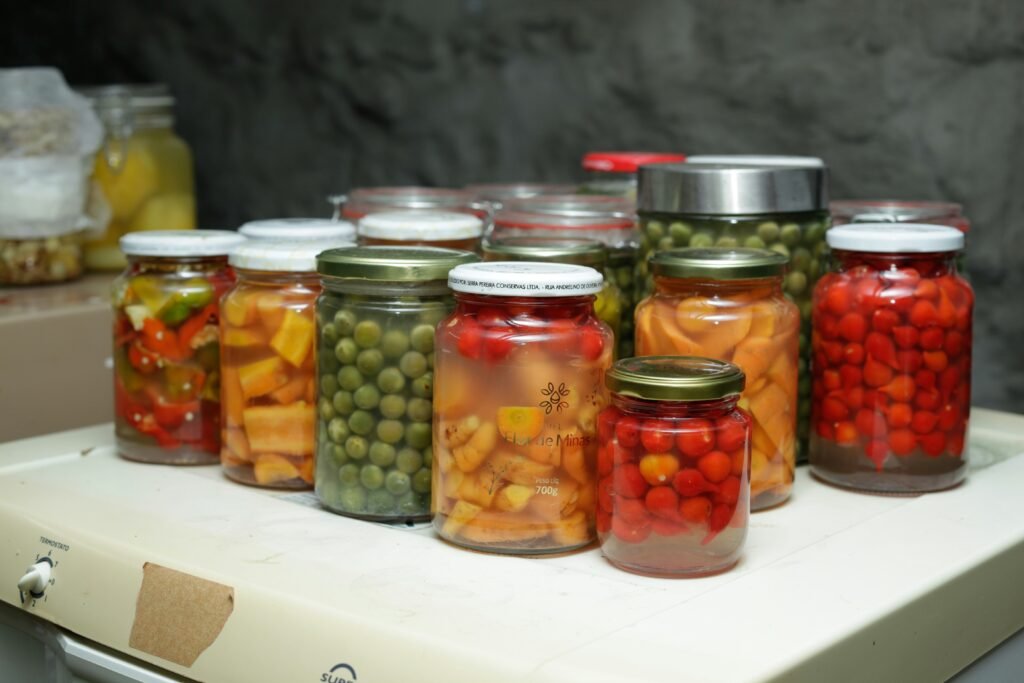
Toxins are a natural part of life, and our bodies are incredibly good at handling them. You don’t need a fancy juice cleanse or a celebrity-endorsed supplement to “flush” anything. The best way to support your body’s natural detoxification processes and feel more energized is through a consistent, clean-eating approach. It’s about nourishing your body with what it needs to function optimally, not about some magical quick fix.
Before we dive into how to support your body, let’s clear up some confusion. When people talk about “toxins,” they’re often referring to a broad range of things: environmental pollutants, metabolic waste products, pesticides in food, heavy metals, and even stress hormones.
Your Body’s Detox Superheroes
Your liver, kidneys, lungs, skin, and digestive system are constantly working to neutralize and eliminate these substances. They’re incredibly efficient. Think of clean eating as giving these internal powerhouses the fuel and tools they need to do their job without getting overwhelmed. It’s less about flushing and more about supporting.
The Problem with “Detox” Marketing
Many “detox” products and diets promise to miraculously remove toxins. The truth is, your body already has a sophisticated system for this. Most of these products are either ineffective, unnecessary, or in some cases, even harmful. Focus on sustainable, healthy habits rather than chasing fleeting fads.
Hydration: The Foundation of Good Health
You’ve heard it a million times, but it bears repeating: water is crucial. It’s the primary vehicle for transporting nutrients, flushing waste products through your kidneys, and maintaining overall bodily functions.
How Much Water Do You Really Need?
There’s no one-size-fits-all answer, but a good starting point is around eight 8-ounce glasses a day (roughly 2 liters). However, factors like activity level, climate, and individual physiology can influence your needs. Listen to your body – thirst is a reliable indicator.
Beyond Plain Water
While plain water is king, you can also boost your hydration and nutrient intake with other healthy beverages:
- Herbal Teas: Many herbal teas, like dandelion, ginger, and peppermint, can aid digestion and provide antioxidants. Just be mindful of added sugars.
- Lemon Water: A squeeze of lemon in your water not only adds flavor but also provides a dose of Vitamin C and can stimulate digestive enzymes.
- Infused Water: Add cucumber slices, mint leaves, or berries to your water for a refreshing and healthy twist. This can make drinking water more enjoyable.
Prioritize Whole, Unprocessed Foods

This is the cornerstone of clean eating. Whole foods are packed with nutrients, fiber, and antioxidants that support your body’s natural processes. Processed foods, on the other hand, often contain additives, unhealthy fats, and refined sugars that can burden your system.
The Power of Fruits and Vegetables
These are nutritional powerhouses. They’re rich in vitamins, minerals, fiber, and phytochemicals – plant compounds that have protective health benefits.
- Leafy Greens: Spinach, kale, collard greens, and Swiss chard are loaded with chlorophyll, which some studies suggest can help bind to certain toxins and aid in their elimination. They’re also high in fiber, aiding digestion.
- Cruciferous Vegetables: Broccoli, cauliflower, Brussels sprouts, and cabbage contain compounds that support liver enzymes involved in detoxification.
- Berries: Blueberries, strawberries, and raspberries are bursting with antioxidants, which combat free radical damage and support overall cell health.
- Citrus Fruits: Oranges, grapefruits, and lemons are excellent sources of Vitamin C, a powerful antioxidant that supports immune function and liver health.
Smart Protein Choices
Protein is essential for building and repairing tissues, and it also plays a role in enzyme production, which is vital for detoxification.
- Lean Meats: Opt for organic, grass-fed meats when possible to minimize exposure to hormones and antibiotics. Chicken, turkey, and lean cuts of beef are good choices.
- Fish: Fatty fish like salmon, mackerel, and sardines are rich in omega-3 fatty acids, which have anti-inflammatory properties. Choose wild-caught varieties to reduce mercury exposure.
- Legumes: Lentils, beans, and chickpeas are excellent plant-based protein sources, also high in fiber, which supports gut health.
- Eggs: A complete protein source, eggs are packed with essential amino acids and nutrients like choline, which supports liver function.
Healthy Fats Are Your Friends
Don’t shy away from healthy fats. They’re crucial for hormone production, nutrient absorption, and providing sustained energy.
- Avocado: Rich in monounsaturated fats, fiber, and potassium.
- Nuts and Seeds: Almonds, walnuts, chia seeds, and flax seeds provide healthy fats, fiber, and various micronutrients.
- Olive Oil: A staple of the Mediterranean diet, extra virgin olive oil is high in monounsaturated fats and antioxidants.
- Coconut Oil: Contains medium-chain triglycerides (MCTs) which can be easily metabolized for energy.
Fiber: The Unsung Hero
Fiber is often overlooked, but it’s critical for digestive health. It helps keep things moving, preventing constipation and ensuring waste products are efficiently eliminated.
- Soluble Fiber: Found in oats, beans, apples, and citrus fruits, soluble fiber helps regulate blood sugar and cholesterol levels.
- Insoluble Fiber: Found in whole grains, vegetables, and nuts, insoluble fiber adds bulk to stool, aiding its passage through the digestive system.
Support Your Gut Health

Your gut microbiome – the trillions of bacteria living in your digestive tract – plays a huge role in your overall health, including detoxification. A healthy gut means better digestion, nutrient absorption, and a stronger immune system.
Probiotic-Rich Foods
Introducing beneficial bacteria into your gut can help maintain a healthy balance.
- Fermented Foods: Kimchi, sauerkraut, kefir, and plain yogurt are excellent sources of probiotics. Start slowly if you’re new to fermented foods.
- Kombucha: This fermented tea is another popular choice, but watch out for high sugar content in some commercial varieties.
Prebiotic Foods
Prebiotics are the food that beneficial gut bacteria thrive on. Think of them as fertilizer for your gut garden.
- Garlic and Onions: These common kitchen staples are rich in prebiotics.
- Asparagus: Another great source of prebiotics.
- Bananas (slightly green): Contain resistant starch, a type of prebiotic fiber.
- Oats: A versatile grain that provides both soluble fiber and prebiotics.
Minimize Exposure to Toxins
| Food | Benefits |
|---|---|
| Leafy Greens | Rich in antioxidants and fiber, supports liver function |
| Lemon Water | Alkalizes the body and aids digestion |
| Garlic | Detoxifies the body and boosts immune system |
| Green Tea | Contains catechins that help eliminate toxins |
| Avocado | Provides healthy fats and supports liver function |
While your body is designed to handle some level of exposure, reducing your intake of external toxins can lighten the load on your internal detoxification systems.
Be Mindful of Food Choices
- Organic Produce: If possible, choose organic fruits and vegetables, especially for items on the “Dirty Dozen” list (foods with higher pesticide residues). This can reduce your exposure to pesticides.
- Grass-Fed/Pasture-Raised Meats: These typically have a better nutrient profile and fewer antibiotic or hormone residues compared to conventionally raised animals.
- Avoid Processed Foods: Limit highly processed foods that are often high in artificial ingredients, unhealthy fats, and refined sugars. These contribute to inflammation and put a strain on your body.
Rethink Your Kitchen
- Non-Toxic Cookware: Consider switching from non-stick pans with PFOA/PFOS to cast iron, stainless steel, or ceramic cookware. These chemicals can leach into food, especially when heated.
- Food Storage: Use glass containers instead of plastic, especially when reheating food, to avoid potential chemical leaching from plastics into your meals.
Filter Your Water
Tap water can contain various contaminants, including chlorine, heavy metals, and pharmaceutical residues.
- Water Filters: A simple Brita filter pitcher, a faucet filter, or a whole-house filtration system can significantly reduce your exposure to these substances.
Consider Your Personal Care Products
Many personal care products, cosmetics, and cleaning supplies contain chemicals that can be absorbed through the skin or inhaled.
- Read Labels: Look for products with fewer ingredients and avoid those with parabens, phthalates, synthetic fragrances, and sulfates.
- DIY Solutions: Consider making your own cleaning products with simple ingredients like vinegar, baking soda, and essential oils.
Lifestyle Habits for Energy and Support
Clean eating is powerful, but it’s part of a larger picture. Lifestyle choices significantly impact your body’s ability to thrive and feel energized.
Prioritize Quality Sleep
Sleep is when your body repairs and regenerates. During deep sleep, your brain even flushes out waste products.
- Aim for 7-9 Hours: Most adults need this amount of sleep for optimal function.
- Consistent Schedule: Going to bed and waking up around the same time each day, even on weekends, helps regulate your body’s natural rhythms.
- Create a Routine: Wind down before bed with activities like reading, a warm bath, or light stretching. Avoid screens for at least an hour before sleep.
Move Your Body Regularly
Exercise isn’t just for weight loss; it boosts circulation, aids in lymphatic drainage (part of your immune system), and helps reduce stress.
- Find What You Enjoy: Whether it’s walking, yoga, dancing, or cycling, consistency is key.
- Variety is Good: Incorporate a mix of cardiovascular exercise, strength training, and flexibility into your routine.
- Even Small Bursts Help: If you can’t commit to a long workout, break it up into shorter, more frequent activity throughout the day.
Manage Stress Effectively
Chronic stress can have a significant negative impact on your health, including digestion and immune function. It can also lead to increased production of stress hormones, which your body needs to process.
- Mindfulness and Meditation: Even a few minutes a day can make a difference in reducing stress and improving focus.
- Deep Breathing Exercises: Simple techniques can calm your nervous system.
- Hobbies and Social Connection: Engage in activities that bring you joy and connect with loved ones.
- Time in Nature: Spending time outdoors has been shown to reduce stress levels.
Practice Mindful Eating
Slow down and pay attention to what and how you’re eating. This can improve digestion and help you recognize your body’s hunger and fullness cues.
- Chew Thoroughly: This aids digestion and nutrient absorption.
- Eat Without Distractions: Avoid eating in front of screens.
- Savor Your Food: Appreciate the flavors, textures, and aromas.
By adopting these natural, practical habits, you’re not just “flushing toxins”; you’re building a resilient, energized body that’s better equipped to handle whatever life throws at it. It’s a sustainable approach to health and well-being, not a temporary fix.
FAQs
What is clean eating?
Clean eating involves consuming whole, unprocessed foods such as fruits, vegetables, lean proteins, and whole grains while avoiding processed and refined foods.
How can natural foods help flush toxins from the body?
Certain natural foods such as leafy greens, citrus fruits, and herbs like cilantro and parsley contain antioxidants and nutrients that support the body’s natural detoxification processes, helping to eliminate toxins from the body.
What are some natural clean-eating hacks to reenergize the body?
Incorporating foods like chia seeds, nuts, and lean proteins can provide sustained energy, while staying hydrated and consuming foods rich in vitamins and minerals can also help reenergize the body.
Are there specific foods that can aid in detoxification?
Yes, foods such as garlic, turmeric, and cruciferous vegetables like broccoli and Brussels sprouts contain compounds that support the liver’s detoxification processes and can aid in eliminating toxins from the body.
How can I incorporate natural clean-eating habits into my daily routine?
You can start by meal prepping with whole foods, incorporating more fruits and vegetables into your meals, and avoiding processed and sugary foods. Additionally, staying hydrated and being mindful of portion sizes can also support natural clean-eating habits.