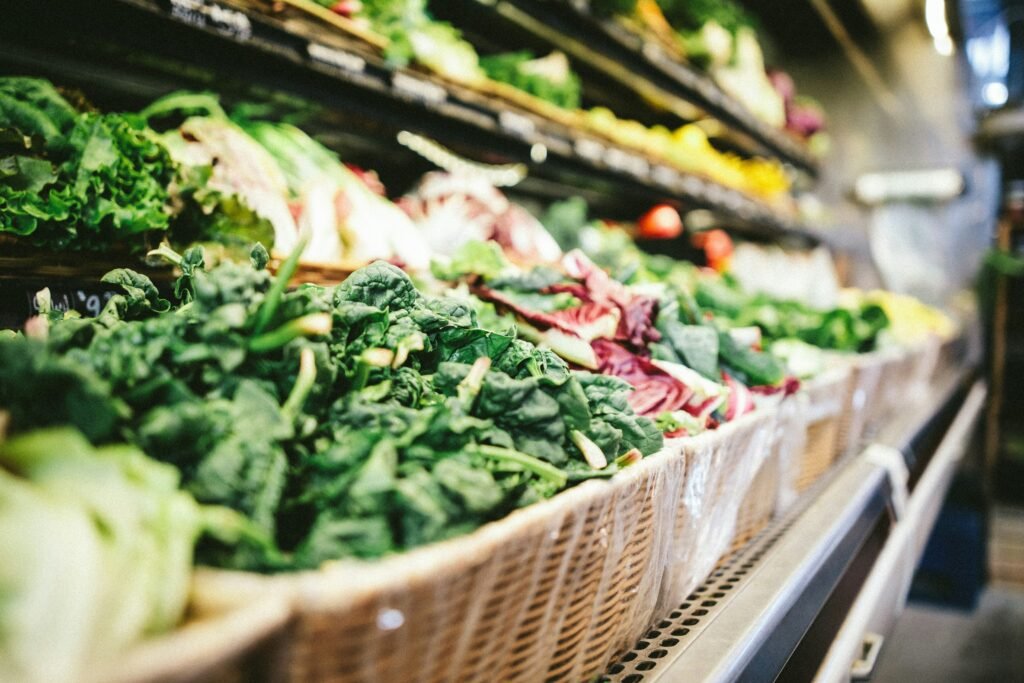
Let’s talk about keeping your immune system in tip-top shape, and the easiest way to start is right in your own kitchen. Building a strong defense often boils down to what you have on hand, so stocking your pantry with the right staples can make a real difference. Think of it as setting yourself up for success, so when you feel a sniffle coming on, or even just want to feel more energetic day-to-day, you’ve got the building blocks ready to go. This isn’t about magic pills or complicated diets; it’s about smart, everyday choices that nourish your body from the inside out.
The Foundation: What Your Immune System Needs
Before we dive into specific foods, it’s helpful to understand why certain ingredients are good for your immune system. It’s not just one magical nutrient; it’s a symphony of vitamins, minerals, antioxidants, and fiber working together. Your immune cells need energy and building blocks to function effectively, and they also need protection from damage caused by everyday stress and environmental factors.
- Vitamins are Key Players: Think Vitamin C, Vitamin D, Vitamin E, and various B vitamins. Each plays a unique role in immune cell development and function, and in protecting your body.
- Minerals Matter Too: Zinc, selenium, and iron are essential for a robust immune response. They’re involved in everything from antibody production to fighting off pathogens.
- Antioxidants: Your Body’s Defenders: These compounds combat oxidative stress, which can weaken your immune system. They’re found in a wide variety of fruits, vegetables, and other plant-based foods.
- The Gut-Immune Connection: A healthy gut microbiome is increasingly recognized as vital for a strong immune system. Fiber-rich foods feed the beneficial bacteria in your gut.
Grains and Legumes: The Energy and Fiber Powerhouses
These are the workhorses of your pantry, providing sustained energy and a significant dose of fiber, which is crucial for gut health and, by extension, immune function. They are often the most budget-friendly options too, making wellness accessible.
Whole Grains: More Than Just Carbs
When we talk about immune-boosting, the focus often lands on specific micronutrients, but don’t underestimate the power of complex carbohydrates. They provide the fuel your body needs for all its functions, including immune responses. Opting for whole grains means you’re getting not just energy but also fiber, B vitamins, and minerals.
Oats: The Versatile Breakfast Staple
- Why they’re great: Oats are a fantastic source of beta-glucan, a type of soluble fiber that has been shown to support immune health by helping to activate immune cells. They also provide essential minerals like zinc and selenium.
- Pantry Picks: Rolled oats are incredibly versatile for oatmeal, overnight oats, or even as a binder in healthy baked goods. Steel-cut oats offer a chewier texture and slightly different nutritional profile. Instant oats are convenient, but watch out for added sugars.
- Beyond Breakfast: Don’t limit oats to breakfast. They can be blended into smoothies for added thickness and nutrients, or used in energy balls and granola bars.
Quinoa: The Complete Protein Grain
- Why it’s great: Quinoa is a complete protein, meaning it contains all nine essential amino acids, which are vital for building and repairing tissues, including immune cells. It’s also a good source of fiber, magnesium, and iron.
- Pantry Picks: Keep bags of dried quinoa readily available. It cooks relatively quickly and can be used as a base for salads, a side dish, or added to soups and stews.
- Meal Prep Friend: Quinoa is excellent for meal prepping. Cook a large batch at the beginning of the week and use it in various dishes.
Brown Rice: The Humble Hero
- Why it’s great: A staple for a reason, brown rice is rich in fiber, magnesium, and selenium. Selenium is particularly important for immune function and acts as an antioxidant.
- Pantry Picks: Stock up on bags of long-grain or medium-grain brown rice. It’s a reliable side dish for almost any meal and can be a good base for stir-fries or grain bowls.
- Texture Tip: Some people find brown rice takes a while to cook. Soaking it for an hour or two before cooking can speed up the process.
Legumes: The Fiber and Protein Powerhouses
Beans, lentils, and peas are nutritional champions that are both affordable and incredibly versatile. Their high fiber content is key for gut health, and their protein contributes to overall cellular health, including that of immune cells.
Lentils: Quick Cooking and Nutrient-Dense
- Why they’re great: Lentils are packed with protein, fiber, iron, folate, and zinc – all crucial for immune health. They cook much faster than dried beans, making them a convenient option for weeknight meals.
- Pantry Picks: Red, green, and brown lentils are all excellent choices. Red lentils break down easily and are great for soups and stews, while green and brown lentils hold their shape better for salads or as a side.
- Soup Star: Lentil soup is a classic for a reason. It’s incredibly nutritious, warming, and easy to make in large batches for leftovers.
Dried Beans: The Budget-Friendly Backbone
- Why they’re great: A bag of dried beans is one of the most economical ways to get a significant amount of protein, fiber, iron, and zinc into your diet. They are the foundation for many healthy meals.
- Pantry Picks: Black beans, kidney beans, chickpeas (garbanzo beans), and cannellini beans are all great to have on hand.
- Soaking and Cooking: While they require more planning due to soaking and longer cooking times, the effort is well worth it. Pressure cookers or slow cookers can significantly reduce cooking time.
Peas (Dried or Frozen): A Sweet and Nutritious Addition
- Why they’re great: Peas, especially split peas, are a good source of fiber, protein, and several vitamins and minerals. They add a subtle sweetness to dishes.
- Pantry Picks: Dried split peas are perfect for hearty soups. Frozen peas are a convenient way to add a boost of nutrients to almost any meal, from stir-fries to pasta dishes.
Canned Goods: Convenience Meets Nutrition
Don’t shy away from canned goods! They are often just as nutritious as their fresh or frozen counterparts, and they offer unparalleled convenience, especially when you’re short on time or fresh ingredients.
Canned Fish: Omega-3s and Protein Power
- Why they’re great: Fatty fish are renowned for their omega-3 fatty acids, which have anti-inflammatory properties that can help regulate immune responses. They also provide high-quality protein.
- Pantry Picks: Canned salmon, sardines, and mackerel are excellent choices. Opt for those packed in water or olive oil for the healthiest options.
- Versatile Uses: Flake salmon or sardines into salads, make fish cakes, or spread them on toast.
Canned Tomatoes: The Antioxidant Base
- Why they’re great: Tomatoes are a fantastic source of lycopene, a powerful antioxidant, especially when cooked. Canned tomatoes are often more concentrated in nutrients than fresh ones due to the processing.
- Pantry Picks: Diced tomatoes, crushed tomatoes, and tomato paste are essential for countless recipes.
- Sauce Starters: They form the base of so many comforting and nutritious dishes, from pasta sauces to chili.
Canned Soups (Low Sodium): Quick Nutrient Boosts
- Why they’re great: When chosen wisely, canned soups can be a quick way to get a serving of vegetables and protein. Look for low-sodium varieties.
- Pantry Picks: Opt for brothy vegetable soups or lentil-based options.
- Enhance Them: Even a simple canned soup can be elevated by adding extra fresh or frozen vegetables, or a source of protein like beans or shredded chicken.
Spices and Seasonings: Flavor and Potent Potions
This is where things get really interesting! Your spice rack is a treasure trove of immune-supporting compounds. Many spices have been used for centuries in traditional medicine for their healing properties.
Turmeric: The Golden Anti-Inflammatory
- Why it’s great: Turmeric contains curcumin, a compound with powerful anti-inflammatory and antioxidant effects. It’s a go-to for supporting overall wellness.
- Pantry Pick: Ground turmeric is a must-have.
- Usage Tips: Add it to curries, soups, stews, scrambled eggs, or even make a warming turmeric latte. Black pepper helps increase the absorption of curcumin, so try to combine them when possible.
Ginger: The Soothing Sensation
- Why it’s great: Ginger has anti-inflammatory and antioxidant properties and is well-known for its ability to soothe digestive upset and nausea.
- Pantry Pick: Ground ginger is readily available. You can also store fresh ginger root in the freezer for longer shelf life.
- Flavor Booster: Add to stir-fries, baked goods, teas, or smoothies.
Garlic and Onions: The Allium Allies
- Why they’re great: These alliums are packed with allicin and other sulfur compounds that have been linked to immune-boosting and antimicrobial properties.
- Pantry Picks: Fresh garlic bulbs and onions are pantry staples. Garlic powder and onion powder are also useful for quick flavoring.
- Culinary Cornerstones: They form the flavor base for countless dishes, from simple sautés to complex stews.
Cinnamon: Warming and Wonderful
- Why it’s great: Cinnamon has antioxidant properties and can help regulate blood sugar levels, which is indirectly beneficial for immune function by promoting stable energy.
- Pantry Pick: Ground cinnamon.
- Sweet and Savory: Use in oatmeal, baked goods, fruit dishes, or even in savory rubs for meats and vegetables.
Oregano and Thyme: Herbaceous Healers
- Why they’re great: These common herbs are rich in antioxidants and have demonstrated antimicrobial properties.
- Pantry Picks: Dried oregano and thyme.
- Versatile Flavors: Sprinkle them on pizzas, pasta sauces, roasted vegetables, or grilled meats.
Healthy Fats: Essential for Cell Function and Inflammation Control
Fats often get a bad rap, but healthy fats are crucial for hormone production, nutrient absorption, and maintaining healthy cell membranes, all of which are vital for a robust immune system.
Olive Oil: The Mediterranean Staple
- Why it’s great: Extra virgin olive oil is rich in monounsaturated fats and antioxidants like polyphenols, which have anti-inflammatory benefits.
- Pantry Pick: A good quality bottle of extra virgin olive oil.
- Usage: Use for salad dressings, sautéing vegetables, finishing dishes, or even as a dip for bread.
Nuts and Seeds: Tiny but Mighty
- Why they’re great: Nuts and seeds are excellent sources of healthy fats, protein, fiber, and essential minerals like zinc, selenium, and Vitamin E.
- Pantry Picks:
- Almonds: Good source of Vitamin E, magnesium, and fiber.
- Walnuts: Rich in omega-3 fatty acids.
- Pumpkin Seeds (Pepitas): High in zinc and magnesium.
- Sunflower Seeds: Provide Vitamin E and selenium.
- Snacking and Beyond: Enjoy them as snacks, sprinkle them on salads or yogurt, or blend them into smoothies.
Nut Butters: A Creamy Nutrient Boost
- Why they’re great: Natural nut butters (check for minimal added sugar and oil) offer the benefits of nuts in a convenient, spreadable form.
- Pantry Picks: Peanut butter, almond butter, cashew butter.
- Versatile Uses: Spread on toast, add to smoothies, or use in healthy dessert recipes.
Shelf-Stable Produce and Beverages: Extended Lifelines
While fresh is often best, there are certain produce items and beverages that can be stored for extended periods and still provide significant nutritional benefits.
Root Vegetables: Long-Lasting Nutrition
- Why they’re great: Sturdy root vegetables like sweet potatoes and carrots can last for weeks in a cool, dark place. They are packed with vitamins and antioxidants.
- Pantry Picks: Sweet potatoes, carrots, and onions (already mentioned under spices, but worth reiterating for their storability).
- Versatile Cooking: Roast them, mash them, add them to soups, or even bake them into muffins.
Frozen Fruits and Vegetables: Nutrition Locked In
- Why they’re great: Frozen produce is picked at peak ripeness and flash-frozen, locking in most of its nutrients. They are incredibly convenient and reduce food waste.
- Pantry Picks:
- Berries (strawberries, blueberries, raspberries): Packed with antioxidants and Vitamin C.
- Spinach and Kale: Excellent sources of vitamins A, C, and K, and iron.
- Broccoli and Cauliflower: Good for fiber and various vitamins.
- Peas and Corn: Quick additions to meals.
- Easy Additions: Toss into smoothies, add to stir-fries, or steam as a side dish.
Green Tea: Antioxidant Powerhouse
- Why it’s great: Green tea is loaded with antioxidants, particularly catechins, which have been shown to support immune function and reduce inflammation.
- Pantry Pick: Boxes of green tea bags or loose-leaf green tea.
- Hydration and Health: A comforting and healthy beverage option.
Water: The Unsung Hero
- Why it’s important: Proper hydration is fundamental for all bodily functions, including the immune system’s ability to transport nutrients and remove waste.
- Pantry Pick: Filtered water is always the best choice.
- Don’t Forget: While not a “pantry staple” in the traditional sense, ensuring you have access to clean drinking water and making it a habit to drink enough throughout the day is paramount.
Building a pantry that supports your immune system isn’t about buying everything at once. It’s about making conscious choices over time, gradually stocking up on these foundational foods. By having these versatile ingredients on hand, you’ll find it easier to whip up nutritious meals that nourish your body and help keep your defenses strong, day in and day out. It’s a simple, practical approach to wellness that pays off.
FAQs
What is an immune-boosting grocery list?
An immune-boosting grocery list is a list of essential pantry staples that are known to support and strengthen the immune system. These items are rich in vitamins, minerals, and antioxidants that help the body fight off illnesses and infections.
What are some essential pantry staples for immune-boosting?
Some essential pantry staples for immune-boosting include fruits and vegetables high in vitamin C (such as oranges, bell peppers, and strawberries), foods rich in vitamin D (like fatty fish and fortified dairy products), zinc-rich foods (such as nuts, seeds, and legumes), and immune-boosting herbs and spices (like garlic, ginger, and turmeric).
How can these pantry staples help boost the immune system?
These pantry staples can help boost the immune system by providing essential nutrients that support immune function. For example, vitamin C is known to increase the production of white blood cells, which help fight off infections, while zinc helps the immune system function properly and may reduce the duration of the common cold.
Are there any specific foods to avoid for immune health?
While it’s important to focus on immune-boosting foods, it’s also important to limit or avoid foods that can weaken the immune system, such as sugary snacks and beverages, processed foods high in unhealthy fats, and excessive alcohol consumption.
How can I incorporate these pantry staples into my diet?
You can incorporate these pantry staples into your diet by including them in meals and snacks. For example, you can make a smoothie with vitamin C-rich fruits, add zinc-rich nuts and seeds to your salads, and use immune-boosting herbs and spices in your cooking. It’s also important to maintain a balanced and varied diet to ensure you’re getting a wide range of nutrients to support overall health and immune function.