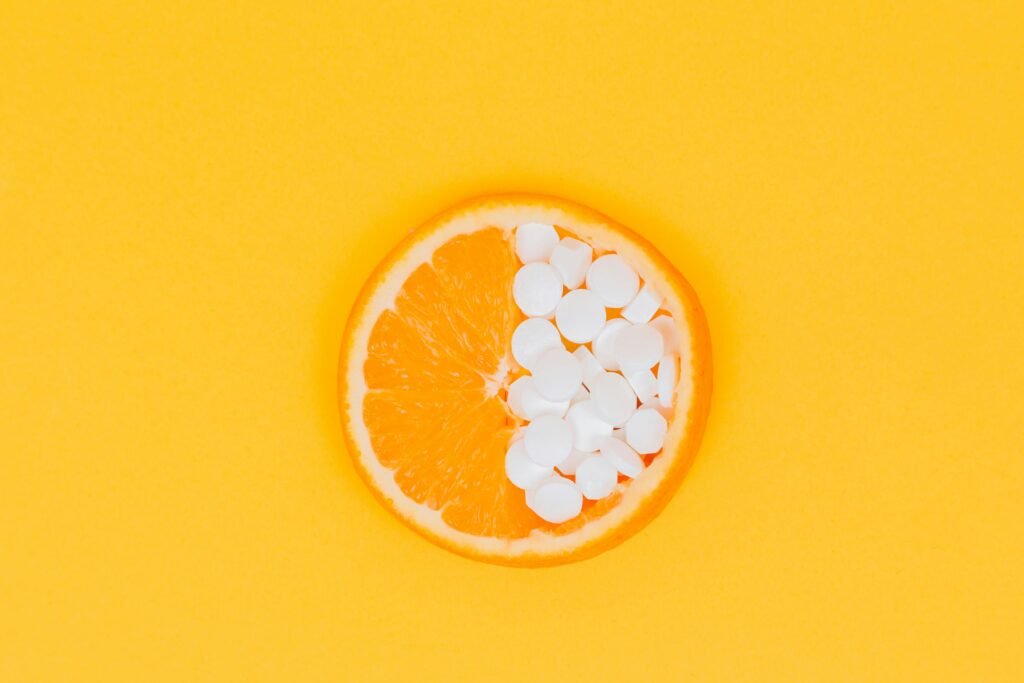
Vitamin C is a powerhouse nutrient, and the good news is, you don’t need a supplement bottle to get enough of it. Eating a varied diet rich in fruits and vegetables is the most effective and enjoyable way to meet your daily vitamin C needs. Not only do you get a hefty dose of this essential vitamin, but you also benefit from all the other incredible nutrients, fiber, and antioxidants that real food provides – something a pill just can’t replicate.
We often associate vitamin C with warding off sniffles, and while it certainly plays a role in immune function, its benefits extend far beyond that. Think of it as a vital cog in many of your body’s essential processes.
Building Blocks for Collagen
Vitamin C is absolutely crucial for collagen synthesis. Collagen is the most abundant protein in your body, forming the scaffolding for your skin, bones, tendons, ligaments, and blood vessels. Without adequate vitamin C, your body struggles to produce strong, healthy collagen, which can impact everything from wound healing to skin elasticity and even the strength of your bones. Imagine trying to build a sturdy house without enough cement – that’s kind of what it’s like for your body without enough vitamin C and collagen.
A Powerful Antioxidant Shield
Our bodies are constantly exposed to free radicals, unstable molecules that can damage cells and contribute to aging and various chronic diseases. Vitamin C is a potent antioxidant, meaning it helps neutralize these free radicals, protecting your cells from oxidative stress. It’s like having a tiny, microscopic shield defending your internal structures from daily wear and tear. This protective action is why vitamin C is often lauded for its anti-aging potential and its role in overall cellular health.
Boosting Iron Absorption
Did you know vitamin C can help your body get more out of the iron you consume? Especially when it comes to non-heme iron, which is the type found in plant-based foods, vitamin C significantly enhances its absorption. This is particularly important for vegetarians, vegans, or anyone looking to maximize their iron intake from plant sources. Pairing iron-rich foods like spinach or lentils with a vitamin C-rich food like bell peppers or oranges is a smart nutritional strategy.
Supporting a Healthy Immune System
While we’ve touched on this, it’s worth reiterating: vitamin C is a key player in your immune system. It supports the function of various immune cells, including phagocytes and lymphocytes, which are essential for identifying and destroying pathogens. It also helps reduce the duration and severity of the common cold, though it won’t prevent it entirely. Think of it as strengthening your body’s internal army, making it better equipped to fight off invaders.
Top Contenders: Fruits Bursting with Vitamin C
When you think of vitamin C, oranges often come to mind. And while they’re a great source, there’s a whole world of delicious fruits that offer even more bang for your buck. Incorporating a variety of these into your diet ensures a steady supply of this vital nutrient.
The Citrus Family’s Star Players
Oranges are indeed excellent, providing around 70mg per medium fruit. Grapefruits, lemons, and limes also contribute significantly. A single grapefruit can offer over 70mg, and even a squeeze of lemon or lime juice can add a helpful boost to your water or meals. These fruits are readily available, relatively inexpensive, and versatile.
Berries: Tiny Powerhouses
Don’t underestimate the small but mighty berry. Strawberries, for example, pack about 85mg of vitamin C per cup. Blueberries, raspberries, and blackberries also contain good amounts, along with a wealth of other antioxidants. They’re fantastic in smoothies, on oatmeal, or just as a quick, refreshing snack. A punnet of strawberries can be a quick and delicious way to meet a significant portion of your daily requirement.
Tropical Treasures
If you’re looking for serious vitamin C power, head to the tropics. Guava is an absolute superstar, with one fruit providing an astounding 125mg of vitamin C. Kiwi fruit is another fantastic choice, with two small kiwis offering around 140mg. Papaya and mango also contribute excellent amounts, along with their unique flavors and other beneficial nutrients. These fruits are a delightful way to diversify your vitamin C intake and add an exotic twist to your diet.
The Underdog: Cherries
While often overlooked, acerola cherries (also known as Barbados cherries or wild crepes myrtle) are one of the most concentrated natural sources of vitamin C on the planet. A small cup can contain hundreds of milligrams, far exceeding the daily recommended intake. They’re tart, so often found in juices or supplements, but if you can get your hands on fresh ones, they’re a true vitamin C powerhouse.
Veggies That Deliver: Skipping the Sweet for Savory Sources

It’s not just fruits that hold the monopoly on vitamin C. Many vegetables are excellent sources, often offering a different nutritional profile alongside their vitamin C content. This is great news for those who prefer savory options or want to minimize sugar intake.
Bell Peppers: Color Your Way to C
Red, yellow, and orange bell peppers are vitamin C champions. A single medium red bell pepper can provide over 150mg of vitamin C, significantly more than an orange. Green bell peppers are also good, though slightly less potent. They’re incredibly versatile – great raw in salads, stir-fried, roasted, or stuffed. Their bright colors make them an attractive addition to any plate, and their mild sweetness makes them palatable for almost everyone.
Broccoli and Brussels Sprouts: Green Giants
These cruciferous vegetables are nutritional powerhouses. A cup of cooked broccoli provides around 100mg of vitamin C, along with fiber and other important nutrients. Brussels sprouts are also excellent, with a cup offering around 75mg. Roasting them brings out their natural sweetness, making them a delicious and nutritious side dish. Don’t let their reputation deter you; properly cooked broccoli and Brussels sprouts are incredibly tasty and beneficial.
Leafy Greens: More Than Just Iron
While spinach is known for its iron, it also contains a decent amount of vitamin C. Kale, another popular leafy green, is an even better source, offering around 80mg per cooked cup. These greens are fantastic in salads, smoothies, or lightly sautéed. They bring a wealth of other vitamins, minerals, and antioxidants to the table, making them an excellent all-around addition to your diet.
Potatoes: A Surprising Source
Often overlooked due to their carbohydrate content, potatoes actually contribute a fair amount of vitamin C, especially if eaten with the skin. A medium baked potato can provide around 20mg. While not as concentrated as some other sources, potatoes are a staple food for many, and their regular consumption can add up, particularly when consumed as part of a balanced diet. Sweet potatoes are also a good source, offering around 30mg per medium potato.
Maximizing Your Vitamin C Intake: Practical Tips

Getting enough vitamin C from food isn’t just about knowing which foods contain it; it’s also about how you handle and prepare those foods. Vitamin C is a delicate nutrient, susceptible to degradation from heat, light, and air.
Go Raw When Possible
Heat is vitamin C’s biggest enemy. Cooking, especially boiling, can significantly reduce its content in foods. Aim to eat vitamin C-rich fruits and vegetables raw whenever you can. Think salads with bell peppers, berries in your yogurt, or a fresh orange as a snack. This preserves the maximum amount of the vitamin.
Steam, Don’t Boil
When cooking is necessary, opt for methods that minimize water contact and cooking time. Steaming is a much better choice than boiling, as it retains more nutrients. Lightly sautéing or stir-frying quickly can also preserve more vitamin C than prolonged cooking. Even better, try to use the cooking liquid if you do boil, as some of the vitamin C leaches into the water.
Fresh is Best
| Natural Source | Vitamin C Content (mg) |
|---|---|
| Orange (1 medium) | 70 |
| Strawberries (1 cup) | 89 |
| Kiwi (1 medium) | 71 |
| Red Bell Pepper (1 medium) | 152 |
| Pineapple (1 cup) | 78 |
The longer produce sits, even in your fridge, the more vitamin C it can lose. Try to buy fresh produce often and consume it within a few days. While frozen fruits and vegetables are a good alternative (often flash-frozen at peak ripeness, preserving nutrients), fresh, recently harvested produce will generally have the highest vitamin C content.
Store Smart
Keep your vitamin C-rich fruits and vegetables in cool, dark places. Refrigeration helps slow down the degradation process. Keep cut fruits and vegetables in airtight containers to minimize exposure to air. This helps prevent oxidation, which can break down vitamin C.
Combine for Benefits
Remember the tip about iron absorption? This is a great example of combining foods for synergistic benefits. Pair vitamin C-rich foods with iron-rich plant-based foods. Another idea: blend different fruits and veggies into smoothies. This not only makes it easier to consume a larger quantity but also combines various nutrients.
Daily Recommendations and When to Consider a Supplement (Briefly)
Most adults need around 75-90 milligrams of vitamin C per day. Smokers require a bit more, around 110-125 milligrams, because smoking depletes vitamin C in the body. Pregnancy and lactation also increase requirements.
Meeting Your Needs Naturally
As you can see from the examples above, reaching these targets is quite achievable through diet alone. A medium orange and a cup of strawberries, for instance, would already put you well over the recommended daily amount. Add a serving of broccoli or bell peppers, and you’re golden.
When Supplements Might Be Considered
While this article focuses on food, it’s worth acknowledging that supplements have their place. If you have a highly restricted diet, certain medical conditions, or a diagnosed vitamin C deficiency, your doctor might recommend a supplement. However, for most healthy individuals eating a reasonably varied diet, supplements are largely unnecessary. Consuming excessive amounts of vitamin C from supplements (over 2,000 mg per day) can lead to digestive upset, though it’s generally considered safe as your body simply excretes what it doesn’t use. Always discuss any supplement use with a healthcare professional to ensure it’s appropriate for your individual needs.
Ultimately, the best approach is to embrace the vast array of delicious, colorful fruits and vegetables available to us. Not only will you ensure adequate vitamin C intake, but you’ll also nourish your body with a spectrum of other essential nutrients, contributing to overall health and well-being in a way that no pill ever could.
FAQs
What are natural sources of vitamin C?
Natural sources of vitamin C include fruits such as oranges, strawberries, kiwi, and guava, as well as vegetables like bell peppers, broccoli, and tomatoes.
Why is it better to get vitamin C from real food instead of pills?
Getting vitamin C from real food is better because it also provides other essential nutrients and antioxidants that work together to support overall health. Real food sources also have higher bioavailability, meaning the body can absorb and use the vitamin C more effectively.
How much vitamin C do I need daily?
The recommended daily allowance for vitamin C is 90 milligrams for men and 75 milligrams for women. However, this can vary based on age, pregnancy, and other factors, so it’s best to consult with a healthcare professional for personalized recommendations.
What are the benefits of vitamin C?
Vitamin C is essential for the growth and repair of tissues in the body, and it also helps the body absorb iron, maintain healthy skin, and support the immune system. It is also a powerful antioxidant that can help protect the body from free radical damage.
Are there any risks associated with consuming too much vitamin C?
While vitamin C is generally considered safe, consuming very high doses from supplements can lead to digestive issues such as diarrhea, nausea, and stomach cramps. It’s best to get vitamin C from a balanced diet and consult with a healthcare professional before taking high-dose supplements.