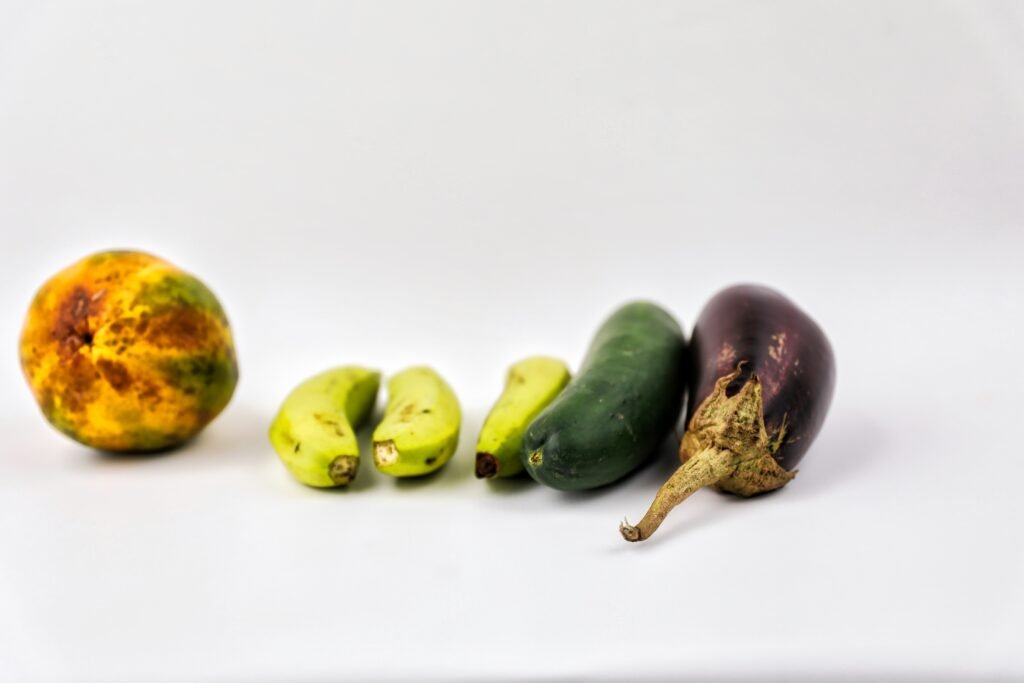
Looking for ways to boost your potassium intake without relying solely on bananas? You’re in the right place. While bananas are a well-known source of potassium, there’s a whole world of other delicious and effective options out there to help you maintain healthy blood pressure. This article will explore a variety of potassium-rich foods that can easily be incorporated into your diet, offering practical advice and dispelling some common myths.
Before we dive into the alternatives, let’s briefly touch on why potassium is such a big deal for your blood pressure. Think of it as a crucial balancing act. Your body needs a good ratio of potassium to sodium. Sodium, as you probably know, can contribute to higher blood pressure in many people. Potassium, on the other hand, helps to counteract that effect by promoting the excretion of sodium through your urine. It also helps relax the walls of your blood vessels, which further contributes to lower blood pressure. It’s not about cutting out all sodium – that’s often unrealistic and unnecessary for most people – but rather ensuring you’re getting enough potassium to keep things in check.
The Sodium-Potassium Balance
This delicate dance between sodium and potassium is key. When you consume a lot of sodium, your body holds onto more water, which increases the volume of blood and, consequently, the pressure it exerts on your arteries. Potassium helps your kidneys flush out this excess sodium and water, reducing that pressure. It’s like having a natural pressure release valve.
Beyond Blood Pressure: Other Benefits
While blood pressure regulation is a primary benefit, potassium plays other vital roles too. It’s essential for proper nerve function, muscle contractions (including your heart!), and maintaining fluid balance in your cells. So, boosting your potassium intake isn’t just about blood pressure; it’s about overall well-being.
Leafy Greens: Your Green Powerhouses
When it comes to potassium, leafy greens are absolute champions. They’re also packed with other beneficial nutrients like vitamins K and A, and fiber, making them a fantastic addition to any diet. Don’t just think of them as salad fillers – they’re incredibly versatile.
Spinach: More Than Just Popeye’s Fuel
Spinach is a stellar source of potassium. A single cup of cooked spinach can provide a significant chunk of your daily needs. It’s also loaded with magnesium, another mineral that plays a role in blood pressure regulation.
- How to Enjoy: Sauté it with garlic and a touch of olive oil, blend it into smoothies, or add it to omelets, stir-fries, and pasta dishes. It wilts down quite a bit, so don’t be shy about adding a generous amount.
Swiss Chard: A Colorful and Nutritious Choice
Swiss chard offers a vibrant array of colors and a robust flavor. It’s a great source of potassium, magnesium, and dietary fiber. It also contains compounds that have anti-inflammatory properties.
- How to Enjoy: Similar to spinach, Swiss chard can be sautéed, steamed, or added to soups and stews. The stems are also edible and can be cooked separately for a different texture.
Beet Greens: Don’t Discard Them!
Often overlooked, the greens of beets are incredibly nutritious and potassium-rich. They offer a slightly earthy flavor and are packed with vitamins and antioxidants.
- How to Enjoy: Treat beet greens like spinach or chard. Sauté them, add them to omelets, or even blanch them quickly and use them in salads. Don’t let these nutritional powerhouses go to waste!
Root Vegetables: Earthy and Wholesome Sources

Root vegetables are often overlooked as potassium sources, but many of them are excellent contributors. They’re also generally affordable and have a long shelf life.
Sweet Potatoes: A Versatile Staple
Sweet potatoes are a fantastic source of potassium, often surpassing bananas in potassium content per serving. They also offer a good dose of fiber, vitamins A and C, and a naturally sweet flavor.
- How to Enjoy: Bake them whole, cut them into fries and roast them, mash them, or add them to soups and stews. They’re incredibly versatile and can be used in both savory and sweet dishes. Try a baked sweet potato with a sprinkle of cinnamon for a healthy and satisfying snack.
Potatoes (Yes, Regular Potatoes!): Underrated Potassium Powerhouses
Often unfairly demonized, regular potatoes (especially with the skin on) are surprisingly good sources of potassium. The key is how you prepare them. Deep-fried potatoes are not the best choice, but baked or boiled potatoes can be a healthy addition.
- How to Enjoy: Bake them, boil them, or roast them. Keep the skin on for maximum nutrient content. Use them as a base for healthy meals, paired with lean protein and vegetables. Avoid excessive butter, sour cream, or processed toppings.
Beets: Beyond the Greens
While we’ve discussed beet greens, the roots themselves are also rich in potassium. Beets are also known for their nitrates, which the body converts into nitric oxide, a compound that helps relax blood vessels and can improve blood pressure.
- How to Enjoy: Roast them, boil them, or grate them raw into salads. They also make a delicious addition to smoothies, adding a vibrant color and earthy sweetness.
Legumes: Plant-Based Protein and Potassium

Legumes – beans, lentils, and peas – are incredible nutritional powerhouses. They’re not only excellent sources of plant-based protein and fiber but also provide a substantial amount of potassium.
White Beans: A Potassium Superlative
Among legumes, white beans (like cannellini or navy beans) are particularly high in potassium. They also offer a hearty texture and can be used in a wide variety of dishes.
- How to Enjoy: Add them to soups, stews, and chili. Mash them into dips or use them as a creamy base for sauces. They’re also great in salads for an extra protein and potassium boost.
Lentils: Quick-Cooking and Nutritious
Lentils are another fantastic legume, offering good amounts of potassium, fiber, and protein. They cook relatively quickly compared to other beans, making them a convenient option.
- How to Enjoy: Make hearty lentil soups or stews, use them in curries, or create a flavorful lentil salad. They can also be a great meat substitute in dishes like “lentil loaf.”
Black Beans: Versatile and Healthy
Black beans are a staple in many cuisines and for good reason. They’re rich in potassium, fiber, and antioxidants, and their mild flavor makes them incredibly versatile.
- How to Enjoy: Use them in tacos, burritos, salads, or as a side dish. Make black bean burgers or blend them into dips.
Fruits (Beyond Bananas): Sweet and Potassium-Packed
| Food | Potassium Content (per 100g) |
|---|---|
| Spinach | 558mg |
| Sweet Potato | 337mg |
| Avocado | 485mg |
| White Beans | 561mg |
| Beet Greens | 909mg |
While bananas get all the fame, many other fruits offer a significant potassium punch, often with additional vitamins and antioxidants.
Avocados: Creamy and Nutrient-Dense
Avocados are a true superfood, and yes, they’re a fruit! They are packed with healthy fats, fiber, and a surprisingly high amount of potassium. In fact, one avocado can contain more potassium than a banana.
- How to Enjoy: Slice it onto toast, mash it into guacamole, add it to salads, or blend it into smoothies for a creamy texture.
Dried Apricots: Concentrated Potassium
Dried fruits are concentrated sources of nutrients, and dried apricots are no exception. They offer a significant amount of potassium in a small serving, along with fiber and iron.
- How to Enjoy: Snack on them plain, add them to trail mix, sprinkle them over oatmeal or yogurt, or use them in baking. Just be mindful of portion sizes due to their concentrated sugar content.
Oranges and Orange Juice: A Refreshing Choice
Oranges are well-known for their vitamin C, but they also provide a good amount of potassium. Freshly squeezed orange juice can also be a source, but whole fruit is always preferred for its fiber content.
- How to Enjoy: Eat them whole, add segments to salads, or squeeze fresh juice.
Melons: Hydrating and Potassium-Rich
Various melons, including cantaloupe and honeydew, are excellent sources of potassium and are incredibly hydrating due to their high water content.
- How to Enjoy: Enjoy them as a refreshing snack, add them to fruit salads, or blend them into smoothies.
Fish: Omega-3s and Potassium
Fatty fish are renowned for their omega-3 fatty acids, which are beneficial for heart health. Many types of fish also happen to be good sources of potassium, offering a double win for your cardiovascular system.
Salmon: A Heart-Healthy Powerhouse
Salmon is an excellent source of both omega-3s and potassium. It’s a flavorful and versatile fish that can be incorporated into many meals.
- How to Enjoy: Bake it, grill it, pan-sear it, or poach it. Add it to salads, make salmon patties, or enjoy it with roasted vegetables.
Tuna: Convenient and Potassium-Rich
Canned tuna, especially light tuna packed in water, is a convenient and affordable source of potassium (and protein!). Fresh tuna steaks are also a great option.
- How to Enjoy: Make tuna salad, add it to pasta dishes, use it in sandwiches, or grill fresh tuna steaks.
Halibut: Lean and Flavorful
Halibut is a lean white fish that offers a good amount of potassium. It has a firm texture and mild flavor, making it appealing to many palates.
- How to Enjoy: Bake, grill, or pan-sear halibut fillets. It pairs well with a variety of seasonings and sauces.
Practical Tips for Boosting Potassium Intake
Simply knowing which foods are potassium-rich isn’t enough; you need to integrate them into your daily life. Here are some practical, actionable tips to help you consistently increase your potassium intake without overthinking it.
Focus on Whole, Unprocessed Foods
This is perhaps the most important tip. Processed foods are typically high in sodium and low in potassium. By shifting your diet towards whole foods – fruits, vegetables, legumes, and lean proteins – you’ll naturally increase your potassium intake.
- Read Labels: When you do buy packaged goods, check the nutrition labels. Aim for foods with lower sodium and higher potassium content.
Make Vegetables and Fruits the Stars
Instead of thinking of them as side dishes, try to make vegetables and fruits the main component of your meals. Fill half your plate with colorful produce at every meal.
- Sneak Them In: Add spinach to your scrambled eggs, grate carrots into pasta sauce, or blend a handful of greens into your morning smoothie.
Experiment with Different Cooking Methods
Variety is the spice of life, and it also helps ensure you’re getting a broad spectrum of nutrients. Don’t just boil everything.
- Roasting: Roasting vegetables like sweet potatoes, potatoes, and beets brings out their natural sweetness and creates a delicious texture.
- Steaming: A quick and healthy way to cook greens and other vegetables, preserving their nutrients.
- Sautéing: Great for quick meals with leafy greens, adding flavor with garlic and herbs.
Plan Ahead for Snacks
Healthy, potassium-rich snacks can make a big difference in your overall intake.
- Grab and Go: Keep dried apricots, an avocado, or a piece of fruit readily available.
- Prep Ahead: Chop up some melon or prepare a batch of white bean dip for easy snacking throughout the week.
Hydrate Smartly
While water is essential, some beverages can also contribute potassium.
- Coconut Water: A natural source of electrolytes, including potassium. Just be mindful of added sugars in some brands.
- Fresh Juices: While whole fruit is better, a small glass of freshly squeezed orange juice can contribute potassium.
Consider Salt Substitutes (with caution)
Some salt substitutes replace sodium chloride with potassium chloride. This can be a way to reduce sodium and increase potassium, but always consult your doctor before using salt substitutes, especially if you have kidney disease or are on certain medications. An excess of potassium can be dangerous for some individuals.
Important Considerations and When to Talk to Your Doctor
While increasing your potassium intake through food is generally safe and beneficial for most people, there are important caveats.
Kidney Disease
If you have kidney disease, your kidneys may not be able to effectively remove excess potassium from your body. This can lead to dangerously high potassium levels (hyperkalemia), which can affect heart function. Always consult your doctor or a registered dietitian before making significant dietary changes, especially regarding potassium, if you have kidney issues.
Medications
Certain medications can affect potassium levels in your body. These include some diuretics (water pills), ACE inhibitors, and ARBs (angiotensin receptor blockers), which are often prescribed for high blood pressure. If you are on any medications, discuss your potassium intake with your doctor to ensure it’s safe and appropriate.
Supplements
While potassium supplements are available, they generally contain much lower doses of potassium than you would get from food. It’s almost always best to get your potassium from whole foods unless specifically recommended by a doctor. High-dose potassium supplements can be dangerous if not monitored properly.
By diversifying your diet with these delicious and nutritious alternatives, you can effectively boost your potassium intake and support healthy blood pressure without solely relying on bananas. Remember, a balanced diet rich in whole foods is the foundation of good health.
FAQs
What are some potassium-rich alternatives to bananas?
Some potassium-rich alternatives to bananas include sweet potatoes, white potatoes, spinach, avocados, and dried apricots.
How does potassium help with blood pressure?
Potassium helps to regulate blood pressure by balancing out the negative effects of sodium. It helps to relax the walls of blood vessels, which lowers blood pressure and reduces the risk of cardiovascular diseases.
What are the recommended daily intake of potassium for adults?
The recommended daily intake of potassium for adults is 4,700 milligrams. However, most adults do not meet this recommendation through their diet alone.
Are there any risks associated with consuming too much potassium?
Consuming too much potassium can lead to a condition called hyperkalemia, which can cause symptoms such as irregular heartbeat, muscle weakness, and nausea. It is important to consult with a healthcare professional before making significant changes to potassium intake, especially for individuals with kidney problems.
How can I incorporate potassium-rich alternatives into my diet?
You can incorporate potassium-rich alternatives into your diet by adding them to salads, smoothies, soups, or as a side dish. Additionally, you can use them as a replacement for bananas in recipes such as smoothies, baked goods, and desserts.