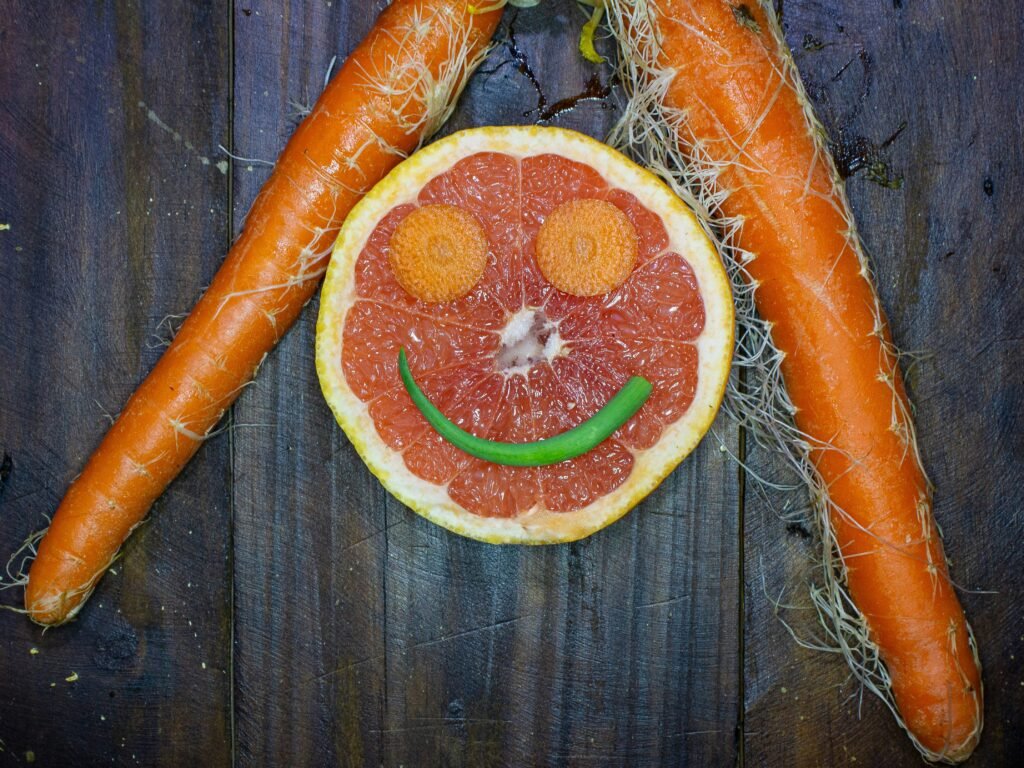
Want to eat your way to better eyesight? It’s not a magic bullet, but a sensible diet plays a surprisingly big role in keeping your eyes healthy and protecting them from common problems as you age. Think of it as giving your eyes the building blocks they need to function at their best and fend off damage. We’ll dive into the specifics of what foods to prioritize and why, making it practical and easy to integrate into your daily life.
Your eyes are constantly working, and like any hard-working organ, they need specific nutrients to stay healthy and protected. These aren’t exotic ingredients you’ll never find; they’re mostly common vitamins and minerals found in everyday foods. Focusing on these key players is the foundation of an eye-healthy diet.
Vitamin A: The Vision Superstar
When we talk about eye health, Vitamin A often comes up first, and for good reason. It’s absolutely crucial for good vision, especially in low light.
How Vitamin A Works in Your Eyes
Vitamin A is a component of rhodopsin, a protein in your retina that allows you to see in dim conditions. Without enough Vitamin A, your ability to see at night can significantly decrease, leading to what’s known as “night blindness.” It also plays a role in maintaining the health of the cornea, the clear outer layer of your eye.
Top Food Sources of Vitamin A
You can get Vitamin A in two main forms:
- Preformed Vitamin A (Retinol): Found in animal products like liver, fish oil, eggs, and dairy.
- Provitamin A Carotenoids (like Beta-Carotene): These are plant-based pigments that your body converts into Vitamin A. The brighter the color of the fruit or vegetable, the more likely it is to be rich in carotenoids. Think carrots, sweet potatoes, spinach, kale, and other dark leafy greens.
Practical Tips for Getting Enough Vitamin A
Don’t stress about specific gram amounts. Aim to include a variety of colorful fruits and vegetables in your meals daily. A simple side of steamed carrots with dinner, a handful of spinach in your smoothie, or a sweet potato baked as a snack can make a difference. If you eat animal products, occasional servings of liver or eggs can contribute.
Antioxidants: Your Eyes’ Defense Squad
Oxidative stress, caused by free radicals, is a major contributor to eye diseases like macular degeneration and cataracts. Antioxidants are your body’s natural defense against this damage, and certain ones are particularly beneficial for your eyes.
Lutein and Zeaxanthin: The Macular Pigments
These two carotenoids are like your eyes’ built-in sunglasses. They are concentrated in the macula, the central part of your retina responsible for sharp, detailed vision.
How Lutein and Zeaxanthin Protect Your Eyes
They work by filtering out harmful blue light, which can damage retinal cells over time. They also act as antioxidants, neutralizing free radicals in the eye. Higher levels of these carotenoids in the macula are associated with a lower risk of developing age-related macular degeneration (AMD) and cataracts.
Best Food Sources of Lutein and Zeaxanthin
You’ll find these powerhouses in:
- Dark Leafy Greens: Spinach, kale, collard greens, Swiss chard are top contenders.
- Other Vegetables: Broccoli, peas, corn, and bell peppers.
- Fruits: Oranges, kiwi, and grapes.
- Eggs: The yolks contain lutein and zeaxanthin.
Making Lutein and Zeaxanthin Part of Your Diet
Don’t just eat them occasionally; make them a regular feature. A big salad with mixed greens, sautéed kale as a side dish, or adding a handful of spinach to your omelet are easy ways to boost your intake. Cooking greens often makes the carotenoids more bioavailable.
Vitamin C: A Versatile Protector
Often celebrated for its immune-boosting properties, Vitamin C is also a potent antioxidant that offers significant protection for your eyes.
Vitamin C’s Role in Eye Health
It’s found in high concentrations in the lens and retina of the eye. Vitamin C helps protect against damage from UV light and may help slow the progression of cataracts and AMD. It’s also vital for the formation of collagen, a key structural protein in the eye.
Excellent Sources of Vitamin C
Load up on:
- Citrus Fruits: Oranges, grapefruits, lemons, limes.
- Berries: Strawberries, blueberries, raspberries.
- Other Fruits: Kiwi, papaya, mango.
- Vegetables: Bell peppers (especially red), broccoli, Brussels sprouts, tomatoes.
Boosting Your Vitamin C Intake
Snacking on an orange, adding berries to your breakfast cereal, or including bell peppers in your stir-fries are simple strategies. Remember that Vitamin C is water-soluble and can be lost during cooking, so eating some fruits and vegetables raw is beneficial.
Vitamin E: The Fat-Soluble Guardian
Vitamin E is another powerful antioxidant that works to protect cell membranes from damage.
How Vitamin E Shields Your Eyes
It works in conjunction with Vitamin C and other antioxidants to neutralize free radicals. It’s particularly important for protecting the delicate membranes of the eye’s cells. Research suggests it may play a role in slowing the progression of AMD.
Where to Find Vitamin E
Good sources include:
- Nuts: Almonds, hazelnuts, peanuts.
- Seeds: Sunflower seeds, pumpkin seeds.
- Vegetable Oils: Wheat germ oil, sunflower oil, safflower oil.
- Leafy Green Vegetables: Spinach.
- Avocado.
Incorporating Vitamin E into Your Meals
Sprinkle nuts and seeds on salads or yogurt, use good quality vegetable oils for cooking (though be mindful of heat sensitivity for some), and enjoy half an avocado as a snack or addition to sandwiches.
Omega-3 Fatty Acids: The Healthy Fats for Eye Function
Don’t let the “fat” in omega-3s fool you. These are essential fatty acids that are incredibly beneficial for overall health, and your eyes are no exception.
The Importance of DHA and EPA
Omega-3s, particularly DHA (docosahexaenoic acid) and EPA (eicosapentaenoic acid), are crucial structural components of the retina.
How Omega-3s Benefit Your Eyes
DHA makes up a significant portion of the photoreceptor cells in your retina, which are responsible for detecting light. Adequate levels of DHA are essential for maintaining good vision. Omega-3s also have anti-inflammatory properties, which can help protect against conditions like dry eye and potentially reduce the risk of certain eye diseases.
Top Sources of Omega-3 Fatty Acids
- Fatty Fish: Salmon, mackerel, sardines, herring, anchovies are packed with DHA and EPA.
- Flaxseeds and Chia Seeds: Good plant-based sources of ALA (alpha-linolenic acid), which the body can convert into DHA and EPA, though less efficiently.
- Walnuts: Another decent plant-based source.
- Fortified Foods: Some eggs, milk, and yogurt are fortified with omega-3s.
Practical Ways to Increase Omega-3 Intake
- Aim for Fatty Fish Twice a Week: This is the most direct and effective way to get your DHA and EPA.
- Add Seeds to Meals: Sprinkle flax or chia seeds on oatmeal, yogurt, or salads.
- Snack on Walnuts: A small handful makes for a healthy and satisfying snack.
- Consider a Supplement: If you don’t eat fish or struggle to get enough through diet, an omega-3 supplement (fish oil or algae-based for vegetarians/vegans) can be a good option.
Zinc: A Supporting Mineral for Vision

Zinc is a trace mineral that plays a vital role in delivering Vitamin A from your liver to your retina to produce melanin, a protective pigment in your eyes.
Zinc’s Role in Eye Health
It’s thought to help protect against the damaging effects of light and may also play a role in slowing the progression of AMD. Zinc is found in high concentrations in the eye, particularly in the retina and the uvea (the middle layer of the eye wall).
Good Food Sources of Zinc
- Oysters: Exceptionally high in zinc.
- Red Meat: Beef, lamb.
- Poultry: Chicken, turkey.
- Beans and Legumes: Lentils, chickpeas, kidney beans.
- Nuts and Seeds: Pumpkin seeds, cashews, almonds.
- Dairy Products: Cheese, yogurt.
Easy Ways to Get Enough Zinc
If you eat meat, incorporating lean cuts regularly will help. For vegetarians and vegans, a diet rich in legumes, nuts, and seeds will be key. Soaking and sprouting legumes and grains can also improve zinc absorption.
Hydration: The Often-Overlooked Essential

You might not think of water when you think of eye health, but staying adequately hydrated is surprisingly important for keeping your eyes comfortable and functioning well.
The Link Between Water and Eye Comfort
Dehydration can lead to dry eyes, which can cause discomfort, blurry vision, and even increased risk of eye infections. Your eyes produce tears to keep them lubricated and protected, and this process requires sufficient fluid intake.
How Much Water Do You Really Need?
There’s no one-size-fits-all answer, as needs vary based on activity level, climate, and individual health. However, a general guideline is to aim for around 8 glasses (64 ounces) of water per day. Listening to your body’s thirst cues is the best indicator.
Practical Hydration Tips
- Carry a Water Bottle: Keep it with you throughout the day and sip regularly.
- Flavor Your Water: Add a slice of lemon, lime, cucumber, or a few berries if plain water is a challenge.
- Eat Water-Rich Foods: Fruits like watermelon, strawberries, and oranges, and vegetables like cucumber and celery contribute to your fluid intake.
- Limit Dehydrating Beverages: Excessive caffeine and alcohol can have a diuretic effect, so moderate your intake.
Beyond Specific Nutrients: The Power of a Balanced Diet
| Food | Nutrient | Benefit |
|---|---|---|
| Carrots | Vitamin A | Improves night vision |
| Spinach | Lutein and zeaxanthin | Protects against macular degeneration |
| Salmon | Omega-3 fatty acids | Reduces risk of dry eyes |
| Eggs | Zinc | Helps with night vision and cataract prevention |
While focusing on individual nutrients is important, the real magic happens when you adopt a generally healthy and balanced eating pattern.
The Benefits of Whole Foods
Processed foods, often high in unhealthy fats, sugar, and sodium, can contribute to inflammation and oxidative stress throughout the body, including the eyes. Prioritizing whole, unprocessed foods provides a broader spectrum of nutrients and supports overall well-being.
What “Whole Foods” Means for Your Eyes
- Fruits and Vegetables: Aim for a rainbow of colors to ensure a wide variety of antioxidants and vitamins.
- Lean Proteins: Fish, poultry, beans, and lentils provide essential amino acids and minerals.
- Whole Grains: Brown rice, quinoa, oats, and whole wheat bread offer fiber and B vitamins.
- Healthy Fats: Avocados, nuts, seeds, and olive oil provide beneficial fatty acids.
Minimizing Processed Foods and Sugars
Reducing your intake of refined sugars and processed snacks can significantly benefit your eye health. High blood sugar levels, often associated with diets high in these foods, can damage the blood vessels in your eyes, contributing to conditions like diabetic retinopathy.
Practical Steps to Reduce Processed Foods
- Read Food Labels: Be aware of hidden sugars, unhealthy fats, and sodium.
- Cook More at Home: This gives you control over ingredients.
- Swap Sugary Drinks for Water: A simple but impactful change.
- Choose Whole Fruit Over Juice: You get the fiber and more nutrients.
Putting It All Together: Practical Dietary Strategies
You don’t need to overhaul your entire diet overnight. Small, consistent changes can make a big difference.
Building Eye-Healthy Meals
- Breakfast: Oatmeal with berries and nuts, or a scrambled egg with spinach and whole-wheat toast.
- Lunch: A large salad with mixed greens, grilled chicken or chickpeas, colorful vegetables, and a vinaigrette dressing. Or, lentil soup with a side of whole-grain bread.
- Dinner: Baked salmon with roasted sweet potatoes and broccoli, or a stir-fry with plenty of colorful vegetables and lean protein over brown rice.
- Snacks: A handful of almonds, an apple with peanut butter, Greek yogurt with berries, or carrot sticks with hummus.
When to Consider Supplements
While a food-first approach is always best, supplements can be beneficial for certain individuals. If you have dietary restrictions (e.g., vegan, vegetarian), a diagnosed deficiency, or a specific eye condition, consult with your doctor or a registered dietitian. They can recommend appropriate supplements and dosages. Common eye-health supplements include omega-3s, lutein/zeaxanthin, and multivitamins containing key eye nutrients.
The Bottom Line
Nourishing your eyes with the right foods is an investment in your long-term vision. By focusing on colorful fruits and vegetables, fatty fish, nuts, seeds, and staying well-hydrated, you’re giving your eyes the best possible chance to thrive. It’s about making smart, sustainable choices that benefit your entire body, with your vision being a significant beneficiary.
FAQs
1. Why is eating for better eye health important?
Eating a balanced diet that includes nutrients like omega-3 fatty acids, lutein, zeaxanthin, and vitamins C and E can help protect against age-related vision problems and maintain overall eye health.
2. What are some foods that are beneficial for eye health?
Foods such as leafy greens, fish high in omega-3 fatty acids, citrus fruits, nuts, and colorful fruits and vegetables are beneficial for eye health due to their high levels of vitamins and nutrients.
3. How can diet help prevent age-related macular degeneration (AMD)?
A diet rich in antioxidants, omega-3 fatty acids, and lutein and zeaxanthin can help reduce the risk of developing AMD, a condition that can lead to vision loss.
4. Are there specific nutrients that are important for maintaining good vision?
Nutrients such as vitamin C, vitamin E, zinc, and beta-carotene are important for maintaining good vision and overall eye health.
5. Can a healthy diet help prevent other eye conditions?
Yes, a healthy diet can help prevent other eye conditions such as cataracts and dry eyes by providing the necessary nutrients and antioxidants to support eye health and function.