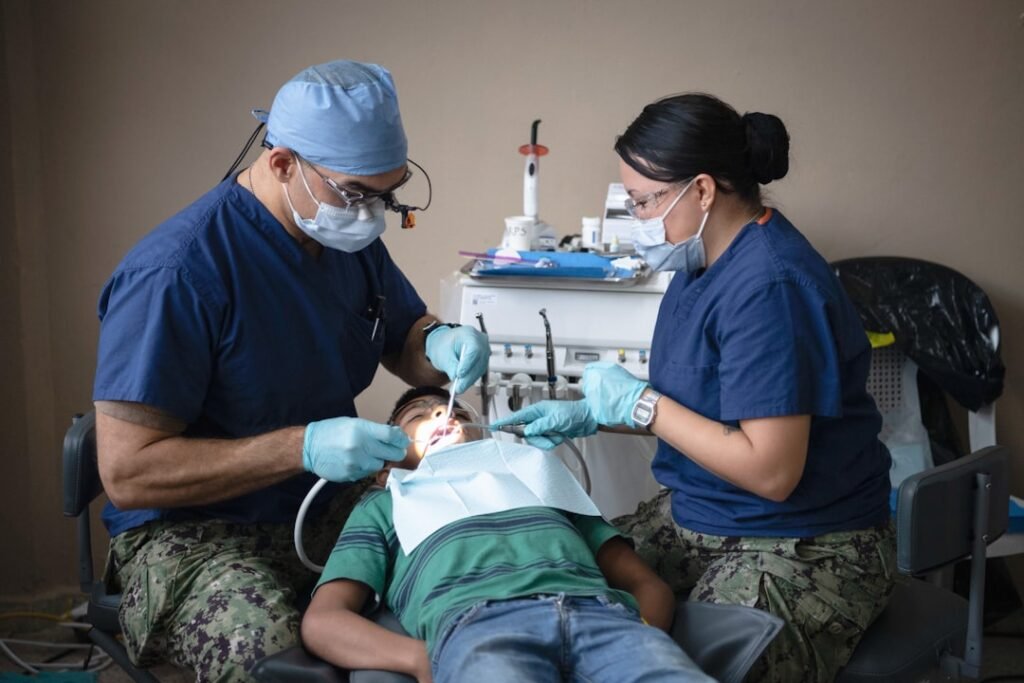

The Importance of Regular Dental Cleanings
We, as a collective of individuals inhabiting this planet, are constantly striving for optimal health and well-being. A significant, yet often overlooked, aspect of this pursuit is our oral health. While regular brushing and flossing are foundational, they often prove insufficient in the face of the myriad challenges our mouths endure daily. This is where regular dental cleanings, also known as prophylaxis, become indispensable. These professional interventions serve as the bedrock of our oral hygiene strategy, offering benefits that extend far beyond a sparkling smile.
Our mouths are not barren landscapes; rather, they are bustling metropolises of microorganisms. This intricate ecosystem, while largely beneficial, can harbour destructive elements if left unchecked. A primary antagonist in this oral drama is plaque.
What is Dental Plaque?
Dental plaque is a sticky, colorless film of bacteria that constantly forms on our teeth. It’s akin to a microscopic biofilm, a complex community of bacteria encased in an extracellular matrix. This matrix allows the bacteria to adhere firmly to tooth surfaces, making them resistant to simple rinsing.
The Role of Tartar (Calculus)
If plaque is not meticulously removed, it undergoes a process of mineralization, transforming into a hardened deposit called tartar, or calculus. Imagine soft clay slowly hardening into concrete; this is an apt metaphor for the transition from plaque to tartar. Once formed, tartar becomes a rough, porous surface that acts as a magnet for more plaque, further exacerbating the problem. Tartar cannot be removed by brushing or flossing alone; it requires professional intervention.
The Acidic Attack: A Silent Erosion
The bacteria within plaque, particularly Streptococcus mutans, metabolize sugars from our diet, producing acids as byproducts. These acids launch a relentless assault on our tooth enamel, the outermost protective layer of our teeth. This acidic environment leads to demineralization, gradually eroding the enamel and creating microscopic pores. This process, if unchecked, culminates in the formation of dental caries, commonly known as cavities.
Regular dental cleanings are essential for maintaining optimal oral health, as they help prevent cavities, gum disease, and other dental issues. For more insights on the importance of dental hygiene and the benefits of routine cleanings, you can read a related article here: Understanding the Importance of Dental Cleanings. This article provides valuable information on how professional cleanings contribute to overall health and well-being.
Preventing the Unseen Scourge: Beyond the Surface
Our daily oral hygiene routine, while crucial, often falls short of entirely eliminating plaque and preventing tartar buildup. This is where professional dental cleanings truly shine, acting as a crucial line of defense against a myriad of oral health issues.
The Limitations of Home Care
Even with diligent brushing and flossing, there are areas in our mouths that remain stubbornly inaccessible to our toothbrushes and floss. These “blind spots” include the interproximal spaces (between teeth), the gum line, and the fissures and grooves on the chewing surfaces of our molars. These areas become prime breeding grounds for plaque and tartar accumulation. Consider it like trying to clean every nook and cranny of a complex machine with a single, blunt tool; it’s simply not possible.
The Power of Professional Scaling
During a dental cleaning, dental hygienists utilize specialized instruments, primarily ultrasonic scalers and hand scalers, to meticulously remove plaque and tartar from these hard-to-reach areas. Ultrasonic scalers vibrate at high frequencies, generating cavitation bubbles that disrupt and dislodge plaque and tartar. Hand scalers, on the other hand, are finely tuned instruments that allow for precise removal of stubborn deposits. This process, known as scaling, is akin to a deep clean for our teeth, reaching areas that we cannot effectively address ourselves.
Root Planing: Addressing Subgingival Concerns
In cases where gum disease has progressed, requiring treatment beyond simple scaling, root planing may be necessary. This procedure involves smoothing the root surfaces of our teeth, removing accumulated plaque and tartar from below the gum line. This helps to eliminate bacterial toxins and prevents further attachment of plaque, promoting the healing and reattachment of gum tissue.
The Guardian of Our Gums: Protecting Periodontal Health
Our gums, also known as gingiva, are the supportive structures that hold our teeth in place. Their health is intrinsically linked to the health of our teeth and overall well-being. Regular dental cleanings are paramount in safeguarding periodontal health.
Gingivitis: The Early Warning Sign
Gingivitis is the initial stage of gum disease, characterized by inflammation of the gums. This inflammation is primarily caused by the accumulation of plaque and tartar. Symptoms include red, swollen, and bleeding gums, particularly during brushing or flossing. While gingivitis is reversible with proper oral hygiene and professional cleanings, if left untreated, it can progress to more severe forms of gum disease. Think of it as a small, manageable fire that, if ignored, can quickly engulf the entire house.
Periodontitis: A More Serious Threat
If gingivitis is left unaddressed, the inflammation can spread from the gums to the underlying bone and connective tissues that support our teeth. This more advanced stage is called periodontitis. In periodontitis, the bacterial toxins and our body’s inflammatory response begin to destroy the bone and ligaments that anchor our teeth. This leads to the formation of “periodontal pockets,” spaces between the teeth and gums where bacteria can thrive and cause further damage. As these pockets deepen, teeth may loosen, shift, and ultimately be lost. Periodontitis is a leading cause of tooth loss in adults, and its progression can have significant impacts on our overall health.
The Preventative Power of Cleanings
Regular dental cleanings are the primary defense against the progression of gum disease. By meticulously removing plaque and tartar, we eliminate the primary instigators of gingivitis and prevent its escalation to periodontitis. The hygienist can also identify early signs of gum inflammation, allowing for timely intervention and preventing more extensive damage.
Beyond Oral Health: Systemic Connections

The interconnectedness of our body is a profound truth. What happens in our mouths does not stay in our mouths. There is a growing body of scientific evidence demonstrating significant links between oral health and our overall systemic health.
The Oral-Systemic Link: A Complex Web
The bacteria responsible for gum disease, particularly periodontitis, can enter our bloodstream during chewing, brushing, or even through bleeding gums. Once in the bloodstream, these bacteria or their inflammatory byproducts can travel throughout our bodies, potentially contributing to or exacerbating various systemic conditions. Consider our bloodstream as a highway; if harmful agents enter this highway, they can reach distant destinations.
Cardiovascular Disease: A Shared Enemy
Research suggests a strong association between gum disease and cardiovascular disease. Individuals with periodontitis have a higher risk of heart attack, stroke, and other cardiovascular events. The inflammatory processes involved in gum disease may contribute to the hardening of arteries (atherosclerosis) and the formation of blood clots. It’s as though the chronic inflammation in our mouths is fueling a fire elsewhere in our bodies.
Diabetes: A Two-Way Street
Diabetes and gum disease have a bidirectional relationship. Individuals with diabetes are more susceptible to gum disease, and severe gum disease can, in turn, make it more difficult for individuals to control their blood sugar levels. This creates a vicious cycle that can negatively impact both conditions. Imagine two interlocking gears; if one is damaged, it negatively affects the other.
Other Systemic Implications
Beyond cardiovascular disease and diabetes, gum disease has also been linked to other systemic conditions, including respiratory diseases, certain cancers, and adverse pregnancy outcomes. While the exact mechanisms are still being investigated, the overarching theme is that chronic inflammation within the oral cavity can contribute to a broader inflammatory burden on the body.
Regular dental cleanings are essential for maintaining optimal oral health and preventing serious dental issues. For those interested in learning more about the importance of these cleanings and how they contribute to overall well-being, a related article can be found here. This resource offers insights into various dental topics, including the benefits of routine cleanings and tips for keeping your smile bright and healthy.
The Art and Science of a Dental Cleaning: What to Expect
| Metric | Average Value | Unit | Notes |
|---|---|---|---|
| Frequency of Dental Cleanings | 2 | times per year | Recommended for most adults |
| Duration of Cleaning Appointment | 30-60 | minutes | Varies by patient needs |
| Average Plaque Removal | 90-95 | percent | Effectiveness of professional cleaning |
| Cost Range | 75-200 | USD | Varies by location and provider |
| Percentage of Adults Receiving Cleanings Annually | 64 | percent | Based on national health surveys |
| Common Tools Used | Scaler, Polisher, Ultrasonic Cleaner | N/A | Instruments for plaque and tartar removal |
When we schedule a dental cleaning, we are not simply undergoing a cosmetic procedure; we are engaging in a comprehensive health intervention. Understanding the process can alleviate any apprehension and empower us to be active participants in our oral health journey.
The Initial Assessment
The cleaning typically begins with a thorough examination of our oral cavity. The dental hygienist will meticulously check for signs of gum inflammation, cavities, and any other abnormalities. They may also use a probe to measure the depth of our periodontal pockets, providing valuable insights into the health of our gums.
Scaling and Debridement
As previously discussed, this is the core of the cleaning. The hygienist will use specialized instruments to remove plaque and tartar from all tooth surfaces, both above and below the gum line. This process can sometimes cause minor discomfort, but it is generally well-tolerated. For individuals with sensitive teeth or extensive buildup, local anesthesia may be offered.
Polishing: A Smooth Finish
After scaling, our teeth are typically polished using a high-speed rotating brush and an abrasive paste. This process removes surface stains and smooths the tooth surfaces, making it more difficult for plaque to adhere. It’s like buffing a car to a high shine, not just for aesthetics but also for practical protection.
Fluoride Treatment: Reinforcing the Enamel
Many dental cleanings conclude with a fluoride treatment. Fluoride, a natural mineral, helps to remineralize tooth enamel, making it more resistant to acid attacks and reducing the risk of cavities. It acts as a protective shield against the constant bombardment of acids.
Oral Hygiene Instructions and Education
A crucial component of any professional cleaning is patient education. The hygienist will provide personalized recommendations for home oral hygiene, demonstrating proper brushing and flossing techniques and advising on appropriate oral care products. This empowers us to maintain the benefits of the cleaning long after we leave the dental office.
Regular dental cleanings are essential for maintaining optimal oral health and preventing issues such as cavities and gum disease. For those interested in learning more about the benefits and importance of these cleanings, you can explore a related article that provides valuable insights. Understanding the role of professional cleanings can significantly enhance your dental care routine. To read more about this topic, visit this informative article.
Our Collective Responsibility: Embracing Regularity
In conclusion, regular dental cleanings are not a luxury; they are a fundamental pillar of our overall health and well-being. They serve as a powerful preventative measure against a multitude of oral diseases, from cavities to severe gum disease. Furthermore, the growing evidence of the oral-systemic link underscores the profound impact our oral health has on our entire body.
We, as individuals, must embrace the responsibility of proactive oral care. This means not only adhering to consistent home hygiene practices but also committing to regular professional dental cleanings, typically every six months, or as recommended by our dental professional. By doing so, we are investing in our long-term health, preserving our smiles, and safeguarding our bodies from potential systemic complications. Let us view these cleanings not as an inconvenience, but as an essential appointment with our health, a crucial step in maintaining the intricate balance of our oral and systemic well-being. Our future selves, and our healthy bodies, will undoubtedly thank us.
FAQs
What is a dental cleaning?
A dental cleaning is a professional procedure performed by a dentist or dental hygienist to remove plaque, tartar, and stains from the teeth. It helps maintain oral hygiene and prevent dental issues such as cavities and gum disease.
How often should I get a dental cleaning?
It is generally recommended to have a dental cleaning every six months. However, the frequency may vary based on individual oral health needs and your dentist’s advice.
What happens during a dental cleaning appointment?
During a dental cleaning, the dental professional will examine your mouth, remove plaque and tartar using special tools, polish your teeth, and may also floss and apply fluoride treatment to protect your teeth.
Is dental cleaning painful?
Dental cleanings are usually not painful. Some people may experience slight discomfort, especially if they have sensitive teeth or gum inflammation, but the procedure is generally well-tolerated.
Can dental cleanings prevent cavities and gum disease?
Yes, regular dental cleanings help prevent cavities and gum disease by removing plaque and tartar buildup that can lead to tooth decay and gum inflammation. They also allow early detection of oral health issues.