Preventive Dentistry: Keeping Your Smile Healthy
We often take our smiles for granted, a natural extension of our expressions, a tool for communication, and a cornerstone of our self-image. Yet, like any intricate machinery, our oral health requires diligent maintenance to function optimally throughout our lives. Preventive dentistry is not merely a collection of treatments; it is a philosophy, a proactive approach to safeguarding our oral well-being against the onslaught of disease and decay. It is the architectural blueprint for a lifetime of healthy teeth and gums, emphasizing foresight over repair.
Our daily routines form the bedrock of preventive dentistry. These seemingly small actions, performed consistently, accrue significant benefits over time, acting as the first line of defense against oral adversaries.
Brushing: The Foundation of Oral Hygiene
Brushing is more than just a habit; it is a critical mechanical process that dislodges food particles and disrupts bacterial plaque. We understand that effective brushing involves technique, not just effort.
The Right Tools for the Job
The choice of toothbrush is paramount. We advocate for soft-bristled brushes, as they are effective in cleaning without abrading gum tissue or enamel. Both manual and electric toothbrushes can be effective, provided they are used correctly. Electric toothbrushes, particularly those with oscillating-rotating or sonic technology, can offer superior plaque removal due to their automated movements and timers, which encourage adequate brushing duration.
Mastering the Technique
The widely recommended Bass method involves holding the brush at a 45-degree angle to the gum line, directing the bristles into the sulcus (the pocket between the tooth and gum). We then employ gentle, short, back-and-forth strokes or small circular motions, ensuring that all surfaces of each tooth – outer, inner, and chewing – are meticulously cleaned. The tongue also requires attention, as it harbors a significant amount of bacteria that contribute to bad breath and can be transferred back to the teeth.
Duration and Frequency
The generally accepted recommendation is to brush for at least two minutes, twice a day. This duration allows sufficient time to cover all tooth surfaces effectively. Brushing after meals, if feasible, further minimizes the time food debris and sugars are available for bacterial metabolism.
Flossing: Reaching Beyond the Brush
While brushing addresses the broad surfaces, flossing is the specialized tool for interstices – the tight spaces between teeth and beneath the gumline where toothbrush bristles cannot reach. These areas are prime breeding grounds for plaque and food debris.
The Art of Flossing
Approximately 18 inches of floss should be used, with most of it wound around the middle fingers of each hand. A 1-2 inch segment is then gently guided between teeth using a sawing motion. Once at the gumline, the floss should be curved into a C-shape against one tooth and moved gently up and down, ensuring direct contact with the tooth surface and extending slightly below the gumline. This process is then repeated for the adjacent tooth surface. We advocate for using a clean section of floss for each interdental space to avoid transferring plaque and bacteria.
Alternatives to Traditional Floss
For individuals with dexterity issues, braces, or wide interdental spaces, alternative interdental cleaning tools exist. These include floss picks, interdental brushes (available in various sizes to fit different gaps), and water flossers (oral irrigators). While water flossers can be effective in removing loose food debris and reducing gingivitis, they typically do not remove sticky plaque as effectively as mechanical flossing or interdental brushes. We encourage finding the method that best suits individual needs and capabilities to ensure consistent interdental cleaning.
Preventive dentistry plays a crucial role in maintaining oral health and preventing dental issues before they arise. For those interested in exploring this topic further, a related article can be found in the podcast series available at Howledge Podcasts. This resource offers valuable insights and discussions on various aspects of dental care, including preventive measures that can help individuals maintain a healthy smile for years to come.
The Dietary Equation: Fueling or Fouling Our Oral Health
Our dietary choices have a profound impact on the oral microbiome and the integrity of our tooth structure. We recognize food as both a source of nourishment and a potential aggressor.
Sugars and Starches: The Primary Culprits
Bacteria in our mouths metabolize simple sugars and refined carbohydrates, producing acids as a byproduct. These acids then erode tooth enamel, leading to demineralization and eventually, cavities. The frequency of sugar exposure is often more detrimental than the sheer quantity. Grazing on sugary snacks throughout the day provides a constant acid bath for our teeth.
Identifying Hidden Sugars
Beyond obvious sweets, many processed foods, condiments, and beverages contain added sugars. We emphasize the importance of reading food labels to identify ingredients like high-fructose corn syrup, sucrose, glucose, and maltose, which all contribute to acid production.
The Role of Complex Carbohydrates
While complex carbohydrates are essential for energy, their breakdown can also lead to acid production. However, their slower digestion and often higher fiber content can mitigate some of the cariogenic effects compared to simple sugars. We recommend consuming these as part of balanced meals rather than as frequent snacks.
The Protective Power of Specific Foods
Certain foods contribute actively to oral health, acting as natural cleansers or providing essential nutrients for strong teeth and gums.
Crunchy Fruits and Vegetables
Eating raw, fibrous fruits and vegetables, such as apples, carrots, and celery, stimulates saliva production, which helps wash away food particles and neutralize acids. Their fibrous texture also provides a mild abrasive action, aiding in the self-cleaning process.
Dairy Products
Dairy products like milk, cheese, and yogurt are rich in calcium, phosphorus, and casein. Calcium and phosphorus are essential for remineralizing tooth enamel, while casein has been shown to have anti-cariogenic properties, forming a protective film on teeth.
Water: The Unsung Hero
Water is indispensable for oral health. It helps rinse away food debris and dilute acids. Fluoridated water, in particular, delivers fluoride to tooth surfaces, strengthening enamel and making it more resistant to acid attacks. We consistently advocate for water as the primary beverage choice over sugary drinks.
The Professional Partnership: Regular Dental Check-ups and Cleanings
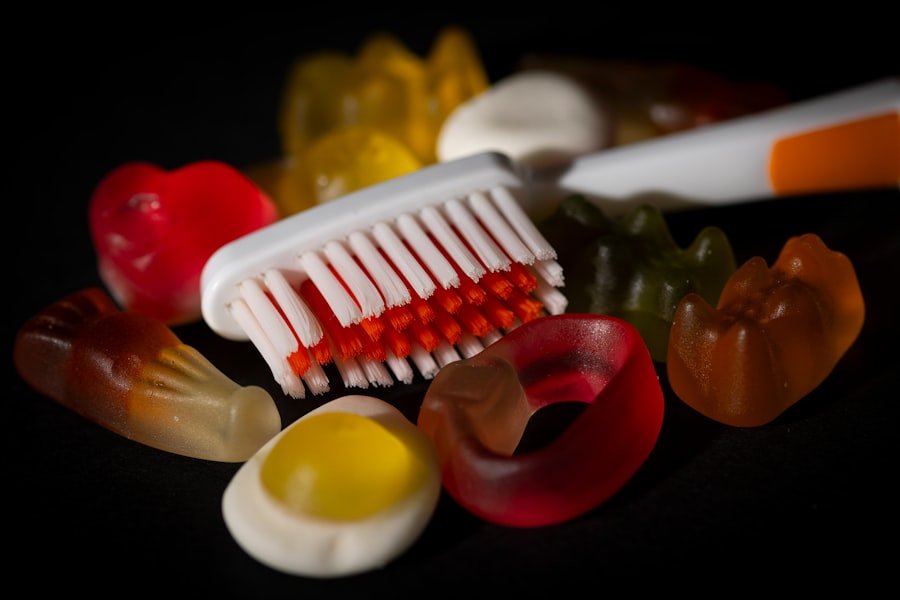
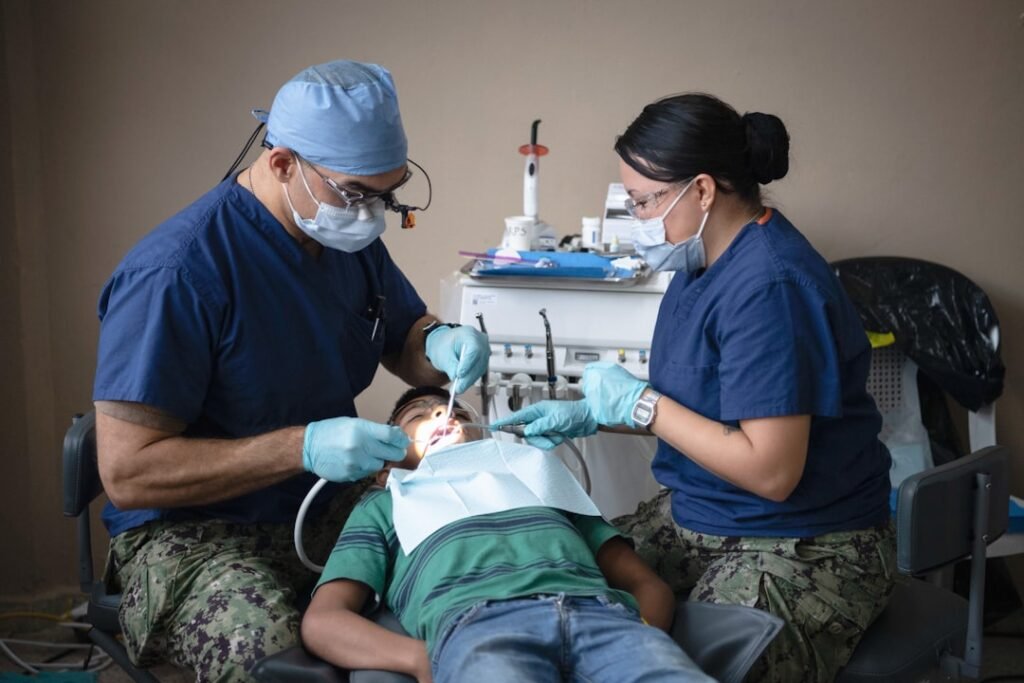
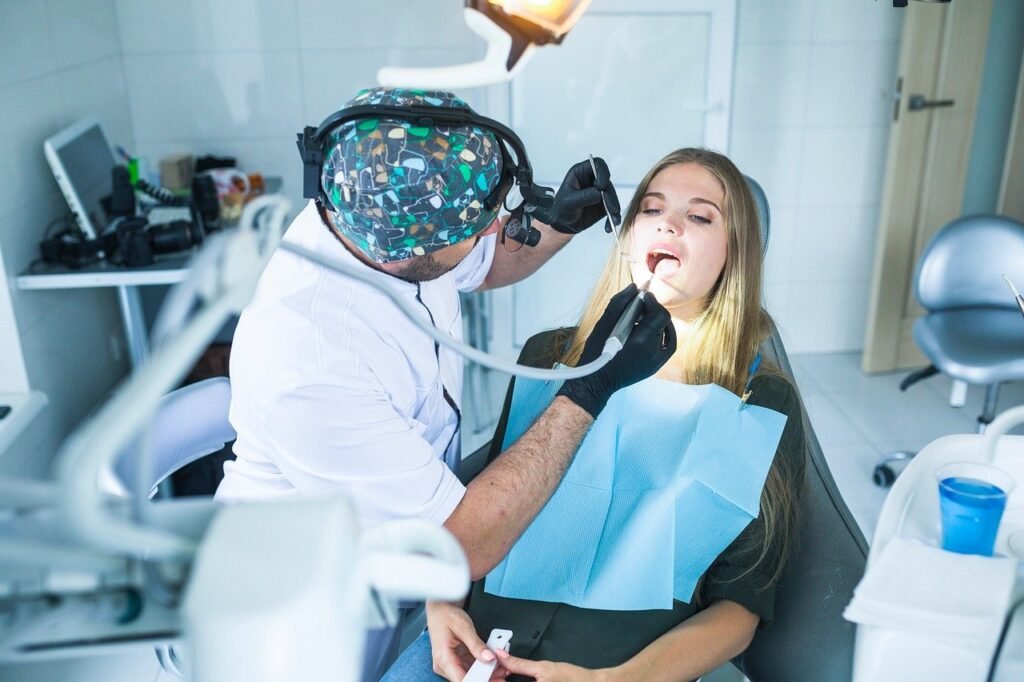
While daily practices are our primary responsibility, professional dental care functions as a vital safety net and a sophisticated diagnostics lab. We view the dentist and dental hygienist as indispensable partners in our oral health journey.
The Comprehensive Exam: A Window into Oral Health
Regular dental check-ups, typically every six months, allow dental professionals to assess the overall health of our teeth, gums, and oral tissues. This goes beyond simply looking for cavities.
Early Detection of Dental Caries
Dental radiographs (X-rays) are crucial for detecting interproximal cavities (cavities between teeth) and other issues that are not visible during a visual examination. Early detection of decay allows for minimally invasive interventions, such as small fillings, preventing the progression to more extensive and costly treatments like root canals or extractions.
Periodontal Assessment
The dental hygienist or dentist meticulously measures the depth of periodontal pockets (the space between the gum and tooth) around each tooth. Increased pocket depths, bleeding gums, and bone loss are indicators of gingivitis or periodontitis (gum disease). Early intervention is critical to halt the progression of these inflammatory conditions, which can lead to tooth loss and have systemic health implications.
Oral Cancer Screening
During each check-up, a thorough visual and tactile examination of the oral cavity, including the lips, tongue, cheeks, palate, and throat, is performed to screen for signs of oral cancer. Early detection significantly improves prognosis. We advise patients to seek immediate attention if they notice any persistent sores, lumps, or unusual color changes in their mouth.
Professional Cleanings: Beyond What We Can Do
Even with meticulous home care, some plaque can harden into calculus (tartar), which brushing and flossing cannot remove. Professional cleanings are designed to remove these hardened deposits.
Scaling and Root Planing
Scaling involves using specialized instruments (manual scalers or ultrasonic devices) to remove plaque and calculus from above and below the gumline. Root planing smooths the root surfaces, making it more difficult for bacteria to adhere and promoting gum reattachment. This is particularly important for individuals with gum disease.
Polishing
After scaling, teeth are typically polished using a prophy paste, which removes surface stains and leaves the teeth smooth, making it harder for new plaque to accumulate.
Advanced Preventive Measures: Fortifying Our Defenses
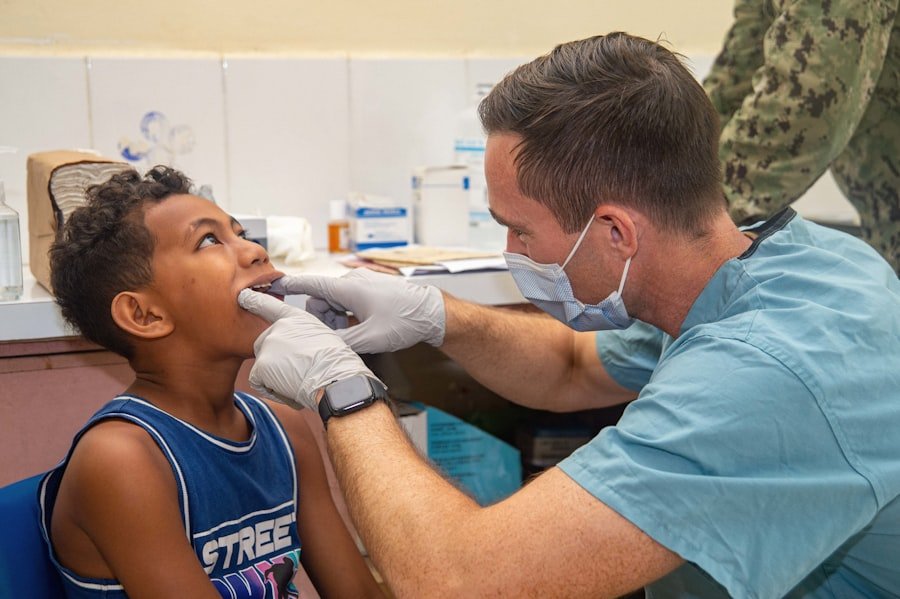
Beyond the foundational practices, dentistry offers several advanced preventive measures that can provide an extra layer of protection, particularly for those at higher risk.
Fluoride: The Enamel Protector
Fluoride is a naturally occurring mineral that plays a critical role in strengthening tooth enamel and increasing its resistance to acid attacks.
Topical Fluoride Treatments
Professional fluoride applications, administered as gels, foams, or varnishes, deliver a highly concentrated dose of fluoride directly to the tooth surfaces. These treatments are particularly beneficial for children during tooth development, individuals with a high risk of cavities, those with exposed root surfaces, or those undergoing orthodontic treatment.
Systemic Fluoride
Community water fluoridation, where fluoride is added to public water supplies at optimal levels, has been recognized as one of the most cost-effective and equitable public health measures for preventing dental caries. Dietary fluoride supplements may be prescribed for children in areas with non-fluoridated water supplies, under the guidance of a dental professional.
Dental Sealants: The Barrier Against Decay
Dental sealants are thin, protective coatings applied to the chewing surfaces of molars and premolars. These teeth have pits and grooves that are difficult to clean effectively with a toothbrush and are highly susceptible to decay.
How Sealants Work
The sealant material flows into these depressions and bonds to the enamel, creating a smooth surface that effectively seals out food particles and bacteria. This physical barrier prevents decay from initiating in these vulnerable areas.
Application and Efficacy
The application of sealants is a quick, painless procedure. The tooth surface is cleaned, etched (to create microscopic pores for better adhesion), rinsed, dried, and then the liquid sealant is applied and light-cured. Sealants are most effective when applied shortly after the eruption of permanent molars and can last for several years, though they should be periodically checked for wear or damage.
Mouthguards: Protecting Our Investment
Our teeth are subject to significant forces, both intentional and unintentional. Protective mouthguards serve as crucial safeguards against trauma and wear.
Sports Mouthguards
Custom-fitted sports mouthguards provide superior protection against dental injuries during athletic activities. They absorb and dissipate impact forces, reducing the risk of chipped or fractured teeth, knocked-out teeth, and soft tissue injuries. We encourage all participants in contact or high-impact sports to utilize a protective mouthguard.
Nightguards for Bruxism
Bruxism, the involuntary grinding or clenching of teeth, often occurs during sleep and can lead to significant tooth wear, jaw pain, headaches, and even fractures. Custom-fitted nightguards create a barrier between the upper and lower teeth, distributing forces more evenly and preventing direct tooth-on-tooth contact, thereby protecting our occlusal surfaces and temporomandibular joints.
Preventive dentistry plays a crucial role in maintaining oral health and preventing dental issues before they arise. By focusing on regular check-ups, cleanings, and patient education, individuals can significantly reduce the risk of cavities and gum disease. For those interested in exploring more about the importance of preventive measures in dental care, a related article can be found here: this insightful piece provides valuable information on effective strategies for maintaining a healthy smile.
The Holistic Perspective: Connecting Oral and Systemic Health
| Metric | Description | Typical Values/Range | Importance |
|---|---|---|---|
| Frequency of Dental Check-ups | Number of dental visits per year for preventive care | 2 visits/year recommended | High – early detection of dental issues |
| Fluoride Use | Percentage of population using fluoride toothpaste or treatments | 70-90% | High – reduces tooth decay |
| Sealant Application Rate | Percentage of children receiving dental sealants on molars | 30-50% | Medium – prevents cavities in grooves |
| Daily Brushing Frequency | Average number of times teeth are brushed per day | 2 times/day recommended | High – removes plaque and prevents decay |
| Daily Flossing Rate | Percentage of individuals flossing daily | 30-40% | Medium – prevents gum disease |
| Incidence of Dental Caries | Number of new cavities per 100 individuals per year | 20-40 cases/100 people/year | Indicator of preventive dentistry effectiveness |
| Gingivitis Prevalence | Percentage of population with gum inflammation | 50-70% | High – early sign of periodontal disease |
| Use of Mouthguards | Percentage of athletes using mouthguards during sports | 40-60% | Medium – prevents dental trauma |
We increasingly understand that oral health is not an isolated domain; it is intricately intertwined with our overall systemic health. The mouth is a window to the body, and indicators of systemic diseases often manifest orally. Likewise, oral infections can have far-reaching effects on other bodily systems.
The Oral-Systemic Link
Periodontal disease, for instance, is a chronic inflammatory condition that has been linked to numerous systemic conditions, including cardiovascular disease, diabetes, respiratory diseases, and adverse pregnancy outcomes. The bacteria and inflammatory mediators present in diseased gums can enter the bloodstream, contributing to systemic inflammation and exacerbating existing health issues.
Diabetes and Periodontal Disease
There is a bidirectional relationship between diabetes and periodontal disease. Individuals with diabetes are more susceptible to developing severe gum disease, and conversely, periodontal disease can make it more challenging to control blood sugar levels in diabetic patients. Effective management of one condition often contributes positively to the other.
Heart Health and Oral Health
Chronic inflammation from gum disease has been implicated in the progression of atherosclerosis (hardening of the arteries), a major risk factor for heart attacks and strokes. While a causal link is still under investigation, we acknowledge the growing body of evidence suggesting that maintaining good oral hygiene can contribute to cardiovascular well-being.
Lifestyle Choices Beyond the Dental Chair
Our broader lifestyle choices, beyond direct oral hygiene practices, significantly influence our oral and general health.
Smoking and Tobacco Use
Smoking and tobacco products are major risk factors for oral cancer, periodontal disease, and delayed healing after oral surgical procedures. We unequivocally advocate for cessation programs and support for individuals attempting to quit.
Alcohol Consumption
Excessive alcohol consumption contributes to dry mouth, which increases the risk of tooth decay and gum disease. It is also a known risk factor for oral cancer, particularly when combined with tobacco use.
Stress Management
Chronic stress can manifest as bruxism, leading to tooth wear and jaw pain. Stress can also weaken the immune system, potentially making individuals more susceptible to infections, including those affecting the oral cavity. We recognize the importance of stress management techniques for overall well-being, including oral health.
In conclusion, preventive dentistry is an ongoing commitment, a continuous dialogue between our daily habits, professional guidance, and broader lifestyle choices. It is the intelligent investment in our future selves, ensuring that our smiles remain vibrant, functional, and reflective of our overall health. By embracing these principles, we can navigate the complexities of life with confidence, knowing that one of our most valuable assets – our oral health – is well-protected.
FAQs
What is preventive dentistry?
Preventive dentistry refers to the practice of caring for your teeth to keep them healthy and prevent dental problems such as cavities, gum disease, and tooth loss. It includes regular dental check-ups, cleanings, fluoride treatments, and patient education on proper oral hygiene.
Why is preventive dentistry important?
Preventive dentistry is important because it helps maintain oral health, reduces the risk of dental diseases, and can save time and money by avoiding complex dental treatments. Early detection and prevention can also improve overall health, as oral health is linked to conditions like heart disease and diabetes.
What are common preventive dental care practices?
Common preventive dental care practices include brushing teeth twice daily with fluoride toothpaste, flossing daily, eating a balanced diet low in sugary foods, visiting the dentist regularly for exams and cleanings, and using dental sealants or fluoride treatments when recommended.
How often should I visit the dentist for preventive care?
It is generally recommended to visit the dentist every six months for routine check-ups and cleanings. However, the frequency may vary based on individual oral health needs, risk factors, and your dentist’s advice.
Can preventive dentistry help children maintain healthy teeth?
Yes, preventive dentistry is especially important for children. Early dental visits, proper oral hygiene education, fluoride treatments, and dental sealants can help protect children’s teeth from decay and establish good habits for lifelong oral health.