3 Essential Tips for Optimal Oral Care
We all strive for a healthy life, and often, our oral hygiene is an overlooked cornerstone of this pursuit. A healthy mouth is not merely about sparkling teeth; it’s a critical component of our overall well-being, influencing everything from digestion to cardiovascular health. As custodians of our own health, understanding and implementing effective oral care strategies is paramount. This article aims to distill the complexities of oral hygiene into three essential, actionable tips, offering a comprehensive guide to maintaining a vibrant and disease-free mouth. We will delve into the science and best practices behind each recommendation, providing you with the knowledge to make informed decisions about your oral health.
The primary battleground in oral hygiene is plaque, a sticky film of bacteria that constantly forms on our teeth. Unchecked, this biofilm hardens into tartar, leading to gum disease and tooth decay. Our most potent weapons against plaque are the humble toothbrush and floss.
Brushing: The Cornerstone of Cleanliness
Brushing is not just an act; it’s a technique. We often brush out of habit, but to truly be effective, we must approach it with diligence and precision.
The Right Tools for the Job
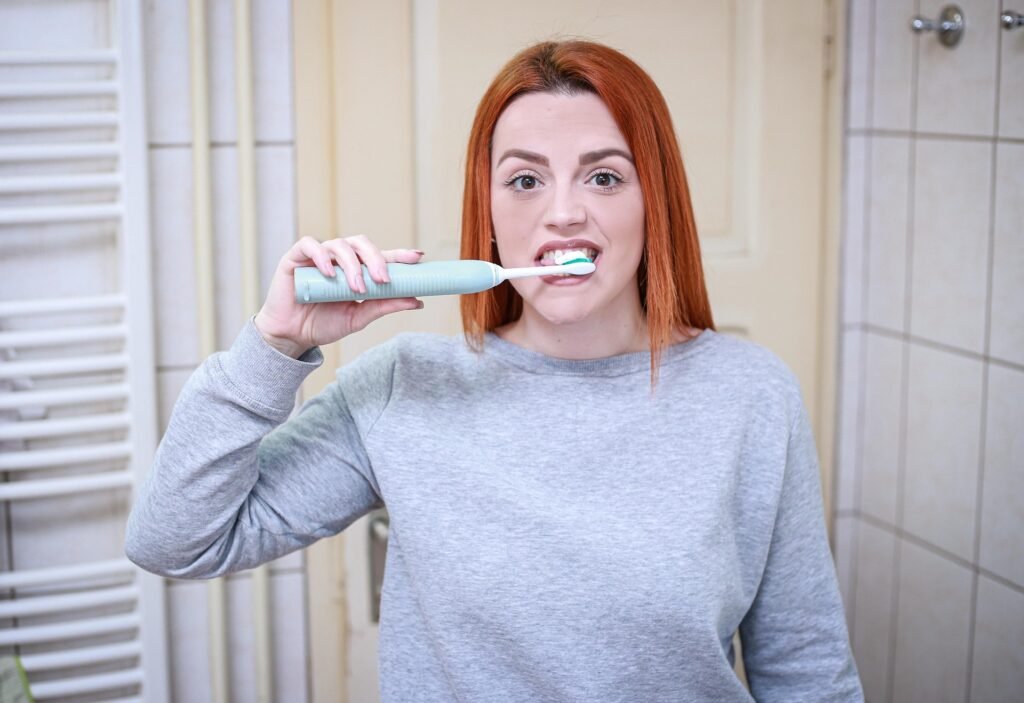
Our choice of toothbrush can significantly impact the efficacy of our brushing. We recommend a soft-bristled toothbrush. While many believe a harder brush cleans more thoroughly, this is a common misconception. Hard bristles can abrade tooth enamel and irritate gums, leading to recession and sensitivity. A soft brush, used correctly, can effectively remove plaque without causing damage. The size and shape of the brush head are also important; we should choose one that comfortably reaches all areas of our mouth, including the molars at the back. For those with manual dexterity issues or a preference for convenience, electric toothbrushes, particularly those with oscillating-rotating or sonic technology, have been shown to be more effective at removing plaque than manual brushing. These devices often include built-in timers, promoting adherence to the recommended two-minute brushing duration.
The Art of Brushing
Proper brushing technique is akin to tending a garden – it requires a gentle but thorough approach. We should hold our brush at a 45-degree angle to the gum line, directing the bristles toward the junction where the tooth meets the gum. Using short, gentle, back-and-forth or circular strokes, we should systematically clean all surfaces of every tooth: the outer surfaces (facing the cheeks and lips), the inner surfaces (facing the tongue and palate), and the chewing surfaces. It is crucial not to scrub too vigorously, as this can lead to gum recession and tooth abrasion. We recommend brushing for a full two minutes, twice a day. Many electric toothbrushes come with timers, and for manual brushers, a simple timer on your phone can serve as a valuable reminder. After brushing, we should gently brush our tongue to remove bacteria and freshen breath.
When to Replace Your Brush
Our toothbrush is a tool, and like any tool, it wears out. We should replace our toothbrush every three to four months, or sooner if the bristles become frayed. Frayed bristles are less effective at cleaning and can even harbor more bacteria. Think of it as a worn-out broom; it simply can’t sweep as effectively.
Flossing: Reaching Where Brushing Can’t
Brushing alone is insufficient. Our toothbrush bristles cannot effectively reach the tight spaces between our teeth or beneath the gum line, areas where plaque and food particles readily accumulate. This is where flossing steps in, acting as an indispensable companion to brushing.
The Unsung Hero: Why We Must Floss
Flossing is often considered a chore, or worse, an optional extra. However, we must view it as a non-negotiable component of our daily oral hygiene regimen. Without flossing, approximately 35% of our tooth surfaces remain uncleaned. This unaddressed plaque leads to interdental cavities and periodontitis, a severe form of gum disease that can result in tooth loss. Flossing disrupts the bacterial colonies forming in these inaccessible areas, preventing them from maturing and causing damage.
Mastering the Technique
We understand that flossing can initially feel awkward. However, with practice, it becomes a smooth and efficient process. We should take about 18 inches of floss and wind most of it around our middle fingers, leaving a small one- or two-inch section to work with. Gently guide the floss between our teeth using a sawing motion. Once between the teeth, we must curve the floss into a C-shape against one tooth and slide it gently up and down, going slightly beneath the gum line. Then, we should repeat this process for the adjacent tooth. It’s crucial not to snap the floss down onto our gums, as this can cause damage and bleeding. We recommend flossing at least once a day, preferably before brushing, as this allows the fluoride from toothpaste to reach the newly cleaned interdental spaces more effectively.
Alternatives to Traditional Floss
For those who find traditional string floss challenging to use, several alternatives exist. We can explore options such as floss picks, which offer a pre-threaded and easier-to-grip design. Interdental brushes, small brushes designed to fit between teeth, are particularly effective for individuals with larger gaps or braces. Water flossers (oral irrigators) are another excellent option, using a stream of pulsating water to dislodge food particles and plaque. While water flossers are highly effective at cleaning around braces and bridges, and for individuals with limited dexterity, they are generally considered supplementary to, rather than a complete replacement for, traditional mechanical flossing for interdental plaque removal. Choosing the right tool that aligns with our comfort and effectiveness is key to consistent flossing.
For those interested in enhancing their oral care routine, a related article that provides valuable insights is available at Howledge. This resource delves into various aspects of dental hygiene, offering tips and techniques to maintain a healthy smile. Whether you’re looking for advice on brushing techniques or the importance of regular dental check-ups, this article serves as a comprehensive guide to improve your oral health.
Fueling a Healthy Mouth: Nutritional Choices and Hydration
Our diet is a powerful determinant of our oral health, acting as both a nourishing ally and a potential adversary. The foods and beverages we consume directly impact the oral microbiome, the strength of our enamel, and the health of our gums.
The Sweet Threat: Understanding Sugar’s Impact
Sugar is the primary fuel for the harmful bacteria in our mouths. When these bacteria metabolize sugars, they produce acids that erode tooth enamel, leading to cavities. We must recognize sugar’s insidious nature, often hidden in processed foods and beverages.
The Acid Attack
Every time we consume sugar, our teeth endure an “acid attack” that can last for 20 minutes or more. Frequent snacking and sipping sugary drinks mean our teeth are under constant assault. We should be mindful of not just the quantity of sugar but also the frequency of its consumption. Limiting sugary snacks and beverages to mealtimes, rather than grazing throughout the day, can significantly reduce the duration of these acid attacks and give our teeth a chance to recover. Avoiding sticky sugary foods, which cling to teeth for extended periods, is also beneficial.
Reading Labels: The Hidden Sugars
Sugar comes in many guises: high-fructose corn syrup, dextrose, glucose, sucrose, maltose, and many more. We must become adept at scrutinizing food labels and identifying these hidden sugars. Even seemingly ‘healthy’ options like fruit juices and dried fruits can be packed with concentrated sugars. We are not advocating for complete abstinence from sugar, which is often unrealistic. Instead, we champion informed consumption and moderation.
The Power of Protective Foods
Just as some foods harm our oral health, others are instrumental in protecting it. We can proactively strengthen our teeth and gums through wise dietary choices.
Calcium and Phosphorus: Building Blocks of Enamel
Our teeth are primarily composed of calcium and phosphorus. Consuming an adequate intake of these minerals, found in dairy products (milk, cheese, yogurt), leafy greens (spinach, kale), and certain fish (sardines), directly contributes to strong enamel and helps to remineralize areas of early decay. Think of these minerals as the bricks and mortar that keep our teeth strong and resilient.
Fibrous Fruits and Vegetables: Nature’s Toothbrush
Crunchy, fibrous fruits and vegetables, such as apples, carrots, and celery, act as natural toothbrushes. As we chew them, they help clean tooth surfaces, stimulate saliva flow, and gently massage our gums. This increased saliva production is crucial, as saliva naturally neutralizes acids, washes away food particles, and contains minerals that aid in remineralization. We should incorporate these nature-made cleansers into our daily diet.
Water: The Unsung Hero of Oral Health
Hydration is fundamental to overall health, and its role in oral health is equally paramount. Water, particularly fluoridated water, is our mouth’s best friend.
Rinsing and Neutralizing
Drinking water throughout the day helps to rinse away food particles and sugars that would otherwise linger and feed bacteria. It also helps to keep our mouths moist, counteracting dry mouth, a condition which dramatically increases the risk of tooth decay and gum disease. Saliva is 99% water, and adequate hydration ensures a healthy salivary flow, which is critical for neutralizing acids, washing away food debris, and providing protective minerals. We should make plain water our primary beverage choice, especially between meals.
Fluoride: A Shield for Enamel
Fluoridated water, prevalent in many municipal water supplies, plays a significant role in strengthening tooth enamel and making it more resistant to acid attacks. Fluoride integrates into the enamel structure, forming fluorapatite, which is stronger than the original hydroxyapatite. It also promotes remineralization of early carious lesions. We should check if our local water supply is fluoridated and consider supplemental fluoride options if it is not, always in consultation with our dentist.
The Periodic Check-Up: Professional Oversight and Early Intervention
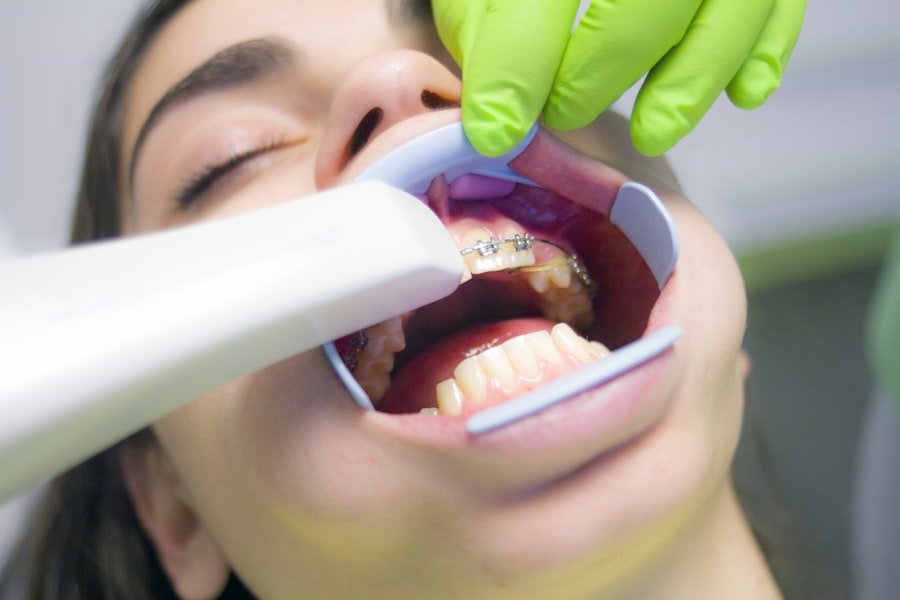
Even with meticulous home care, professional oversight is indispensable. Just as we wouldn’t neglect routine maintenance on a complex machine, we must not overlook the importance of regular dental check-ups. These appointments are not merely for cleaning; they are crucial for monitoring our oral health, detecting issues early, and receiving personalized guidance.
Beyond the Home: The Role of Dental Professionals
Dental professionals are our partners in maintaining optimal oral health. They possess specialized tools and expertise to address concerns that lie beyond the scope of our daily routine.
Comprehensive Examinations: More Than Just Teeth
During a dental check-up, our dentist conducts a thorough examination that extends beyond simply checking for cavities. They will assess the health of our gums, looking for signs of gingivitis or periodontitis. They will also screen for oral cancer, examining the soft tissues of our mouth, tongue, and throat. The temporomandibular joint (TMJ), which connects our jawbone to our skull, is also evaluated for signs of dysfunction. These comprehensive assessments allow for early detection and intervention, which are critical in preventing minor issues from escalating into major problems. For example, often, early gum disease presents with subtle inflammation that an untrained eye might miss but a dentist can identify, allowing for immediate corrective action.
Professional Cleanings: Reaching Deeper
Even the most diligent brusher and flosser cannot remove all plaque and tartar, especially in hard-to-reach areas and below the gum line. Dental hygienists use specialized instruments to meticulously remove stubborn plaque and calcified tartar, a process known as scaling. Polishing then smooths the tooth surfaces, making it harder for new plaque to adhere. These professional cleanings are vital for maintaining gum health and preventing the progression of gum disease. Think of it as a reset button for our oral hygiene, clearing away the accumulated grime that our daily efforts might have missed.
Early Detection: The Power of Prevention
The adage “prevention is better than cure” holds immense weight in dentistry. Early detection of oral health issues can save us from pain, extensive treatments, and significant financial outlays.
X-Rays: Seeing What’s Beneath
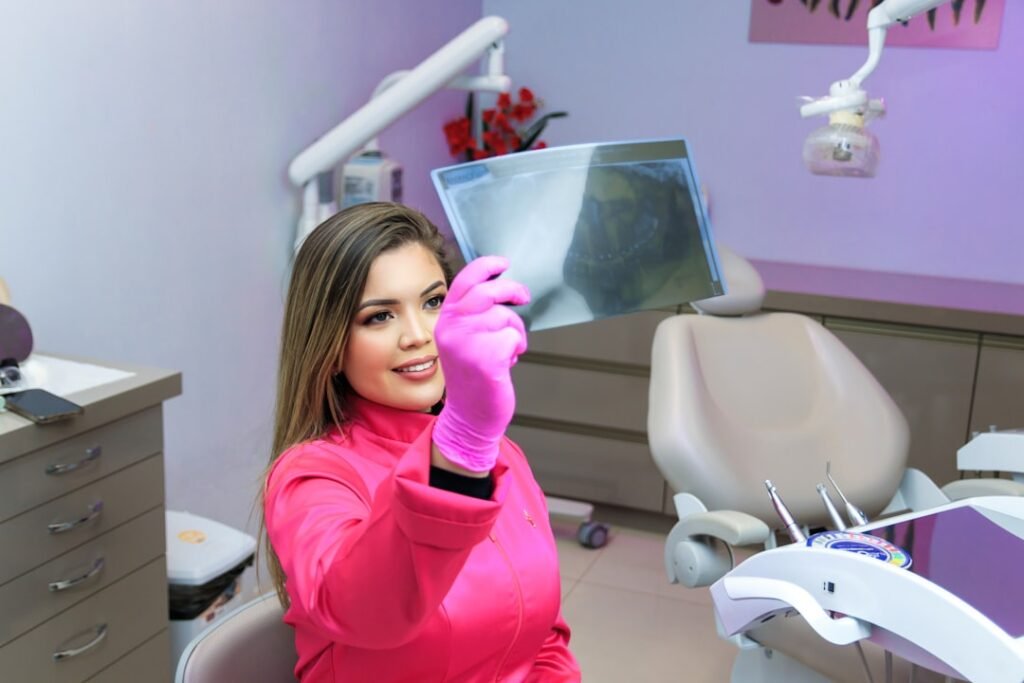
Dental X-rays provide a vital view of what lies beneath the surface of our teeth and gums. They reveal cavities between teeth, bone loss associated with gum disease, impacted wisdom teeth, and other abnormalities that are invisible to the naked eye. While the frequency of X-rays varies based on individual risk factors, they are an indispensable diagnostic tool that allows dentists to identify problems in their nascent stages. We should discuss any concerns about radiation exposure with our dentist, but generally, modern dental X-ray technology uses very low doses of radiation.
Addressing Issues Promptly
When a dental issue is identified early, the treatment is typically less invasive and more successful. A small cavity, for instance, can be easily filled. If left untreated, it can progress to affect the nerve, necessitating a more complex and costly root canal treatment or even extraction. Similarly, early-stage gingivitis is reversible with improved hygiene and professional cleaning. However, if it progresses to periodontitis, the damage to supporting bone can be irreversible and may require more extensive periodontal therapy. We must commit to scheduling and attending our regular dental appointments, typically once or twice a year, as recommended by our dental professional. These routine visits are an investment in our long-term health and well-being.
By diligently adhering to these three essential tips – mastering mechanical plaque removal, making conscious dietary choices, and prioritizing professional oversight – we empower ourselves to maintain optimal oral health. Our mouth is a gateway to our body, and by keeping it healthy, we contribute significantly to our overall vitality and quality of life. Let us embrace these practices not as chores, but as fundamental acts of self-care, building a foundation for a lifetime of healthy smiles.
FAQs
What is oral care?
Oral care refers to the practice of maintaining clean and healthy teeth, gums, and mouth. It includes daily habits such as brushing, flossing, and regular dental check-ups to prevent dental problems like cavities, gum disease, and bad breath.
How often should I brush my teeth?
It is recommended to brush your teeth at least twice a day—once in the morning and once before bed. Each brushing session should last for about two minutes to effectively remove plaque and food particles.
Why is flossing important in oral care?
Flossing helps remove plaque and food debris from between the teeth and under the gumline, areas that a toothbrush cannot reach. Regular flossing reduces the risk of gum disease and cavities.
What role does diet play in oral health?
A balanced diet low in sugary and acidic foods helps maintain oral health by reducing the risk of tooth decay and erosion. Consuming foods rich in calcium and vitamins supports strong teeth and healthy gums.
How often should I visit the dentist for oral care?
It is generally advised to visit the dentist every six months for a routine check-up and professional cleaning. Regular dental visits help detect and treat oral health issues early and maintain overall oral hygiene.