The Dangers of Dental Plaque Buildup
We often take our bodies for granted, assuming their intricate systems will continue to function flawlessly without much intervention. However, there are insidious threats lurking within us that, while microscopic, can have monumental consequences for our overall health. One such threat is dental plaque, a biofilm that continually forms on our teeth. We might dismiss it as a mere cosmetic inconvenience, something easily brushed away, but its persistence and proliferation can lead to a cascade of dental and systemic health problems. In this article, we delve into the multifaceted dangers of plaque buildup, exploring its formation, its impact on oral health, and its surprising connections to broader bodily systems. We aim to equip you with a comprehensive understanding of this silent saboteur, empowering us all to be more vigilant in its control.
To effectively combat an enemy, we must first understand its nature. Plaque is not simply a food residue; it’s a living, dynamic community. Imagine a city that constantly expands and strengthens itself, its inhabitants growing in number and diversity. This is essentially what plaque is. A dental abscess can cause severe pain and requires prompt treatment, as explained in this dental abscess video.
The Biofilm Formation Process
We all have bacteria naturally residing in our mouths. These microorganisms are not inherently malicious; many are benign or even beneficial. However, when conditions are right, certain species begin to adhere to the enamel surfaces of our teeth. This initial adhesion marks the beginning of biofilm formation.
- Pellicle Formation: Immediately after we brush our teeth, a thin, clear, proteinaceous film, known as the acquired pellicle, forms on the tooth surface. This pellicle acts as a prime adhesive, providing attachment sites for bacteria. Think of it as a microscopic scaffolding.
- Bacterial Colonization: Within hours, pioneering bacteria, primarily Streptococcus sanguinis and Streptococcus mutans, begin to attach to the pellicle. These pioneers act as founders, creating a base for further microbial growth.
- Coaggregation and Maturation: As more bacteria adhere, they begin to coaggregate, forming microcolonies. Different species, both aerobic and anaerobic, join the community, each playing a role in its development. This stage is analogous to a city’s population growing more diverse and specialized. The bacteria in plaque are encapsulated within an extracellular polymeric substance (EPS) matrix, which they produce themselves. This matrix, composed of polysaccharides, proteins, and DNA, provides structural integrity, protects the bacteria from external threats (like our immune system and antimicrobial agents), and facilitates nutrient exchange.
- Increased Pathogenicity: As the biofilm matures, oxygen levels within it decrease, creating an environment favorable for anaerobic bacteria, including more aggressive periodontal pathogens such as Porphyromonas gingivalis and Tannerella forsythia. These bacteria are the prime instigators of serious gum disease.
The Role of Diet in Plaque Development
We often hear about the impact of sugar on our teeth, and for good reason. Our dietary choices are crucial in influencing the rate and composition of plaque buildup.
- Fermentable Carbohydrates: Sugars, particularly sucrose, are the primary fuel source for many plaque bacteria, especially Streptococcus mutans. When these bacteria metabolize sugars, they produce acids as byproducts. This acidic environment is detrimental to tooth enamel.
- Frequency of Sugar Intake: It’s not just the quantity of sugar but also the frequency with which we consume it. Frequent snacking on sugary foods or beverages means our teeth are exposed to acid attacks more often, giving the enamel less time to remineralize.
- Sticky Foods: Foods that stick to our teeth for longer periods, like caramels or dried fruits, prolong the acid production process, increasing the risk of demineralization.
Plaque, a sticky film of bacteria that forms on teeth, can lead to serious dental issues if not properly managed. For those interested in learning more about the implications of dental hygiene and the factors contributing to plaque buildup, a related article can be found at this link. Understanding the importance of regular brushing and flossing can help prevent plaque-related problems and promote overall oral health.
Oral Health Consequences: More Than Just a Cavity
The most immediate and commonly recognized danger of plaque buildup is its direct assault on our oral health. While cavities are a prominent concern, the repercussions extend much further, affecting our gums and the very foundations of our teeth.
Caries: The Cavity Cascade
We all dread the drill, and plaque is the primary architect of the cavities that necessitate it.
- Acid Production and Demineralization: As we discussed, bacteria in plaque ferment sugars, producing acids. These acids attack the hydroxyapatite crystals that make up our tooth enamel. This process, known as demineralization, weakens the enamel, creating micro-pores.
- Cavity Formation: If the demineralization process continues unchecked, these micro-pores expand, eventually leading to the formation of a visible hole—a cavity. Once a cavity forms, it provides an ideal environment for bacteria to further penetrate the tooth structure.
- Progression to Pulpitis: Without intervention, the decay can progress deeper into the dentin and eventually reach the pulp, the innermost part of the tooth containing nerves and blood vessels. This leads to pulpitis, an inflammation of the pulp, which can be extremely painful and may necessitate root canal treatment or even tooth extraction.
Gingivitis: The Warning Sign
Before gum disease becomes severe, it often manifests as gingivitis, an early and reversible stage. Think of it as a red flag, indicating that our oral hygiene practices need improvement.
- Inflammation of the Gums: Plaque accumulates at the gum line, and the bacteria within it release toxins that irritate the gingiva (gums). Our immune system responds to this irritation by sending inflammatory cells to the area, resulting in redness, swelling, and tenderness of the gums.
- Bleeding Gums: A common symptom of gingivitis is bleeding gums, especially during brushing or flossing. This bleeding is a direct result of the inflammation and increased fragility of the gum tissues.
- Reversibility: The good news is that gingivitis is reversible with diligent oral hygiene, including regular brushing and flossing, and professional dental cleanings. If left untreated, however, it can progress to more serious forms of gum disease.
Periodontitis: The Foundation Erodes
If gingivitis is the warning, periodontitis is the full-blown crisis. Here, the damage extends beyond the gums, threatening the very bone that supports our teeth.
- Chronic Inflammation: In untreated gingivitis, the chronic inflammation triggers a destructive cascade. The body’s immune response, while attempting to fight the bacteria, also starts to break down the connective tissues and bone that hold the teeth in place.
- Pocket Formation: As the supporting tissues are destroyed, the gums pull away from the teeth, creating “pockets.” These pockets provide an ideal, oxygen-deprived environment for more aggressive anaerobic bacteria to thrive, creating a vicious cycle of infection and destruction.
- Bone Loss: The hallmark of periodontitis is irreversible bone loss. As the alveolar bone that surrounds the tooth roots is resorbed, the teeth lose their stable foundation. Imagine a building whose foundations are slowly being eaten away; eventually, it will become unstable.
- Tooth Mobility and Loss: With significant bone loss, teeth become loose and may eventually fall out or require extraction. This has profound implications for chewing, speech, and overall quality of life.
- Contributing Factors: While plaque is the direct cause, other factors can exacerbate periodontitis, including genetics, smoking, uncontrolled diabetes, and certain medications.
Beyond the Mouth: Plaque and Complex Diseases
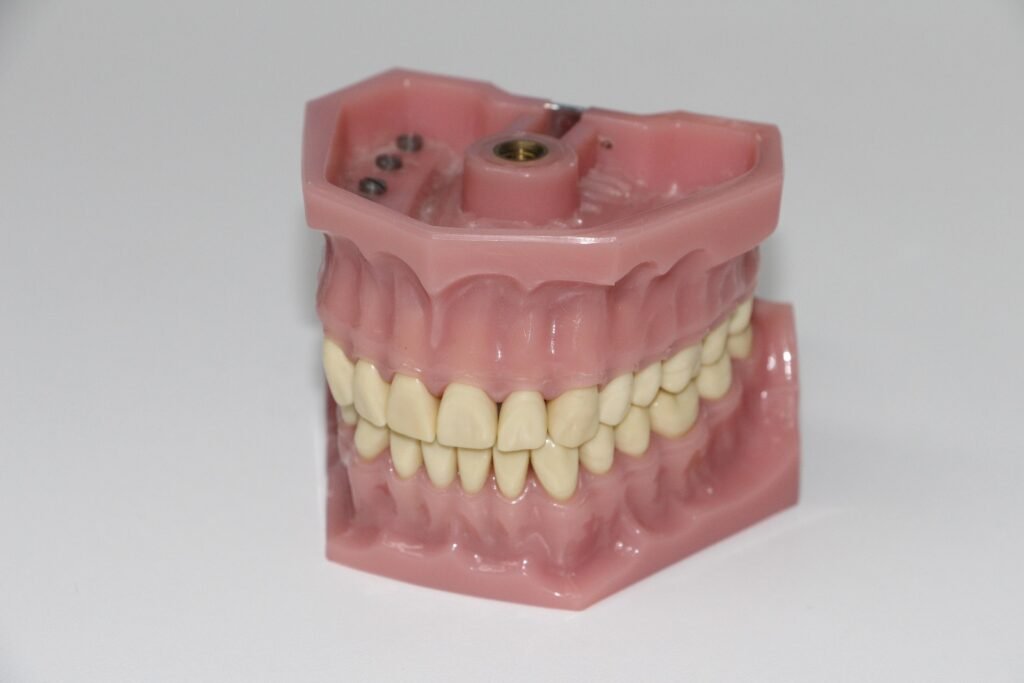
The mouth is not an isolated system; it is intricately connected to the rest of our body. Emerging research increasingly highlights the systemic implications of chronic inflammation originating from plaque buildup and periodontal disease.
Cardiovascular Disease: A Shared Enemy
We might find it surprising, but the health of our gums can have a direct bearing on the health of our hearts.
- Inflammation as a Link: The chronic inflammation associated with periodontitis can trigger a systemic inflammatory response throughout the body. Inflammatory mediators released from infected gums can enter the bloodstream and contribute to inflammation in other parts of the body, including the arteries.
- Bacterial Entry into the Bloodstream: Periodontal pockets provide a direct entry point for oral bacteria into the bloodstream. These bacteria or their toxins can travel to distant sites, including the heart and blood vessels.
- Atherosclerosis: Research suggests a link between periodontal disease and atherosclerosis, the hardening and narrowing of arteries. Oral bacteria and inflammatory markers have been found in atherosclerotic plaques, suggesting they may play a role in their formation and progression. This can increase the risk of heart attacks and strokes.
- Endocarditis: Individuals with certain heart conditions are particularly vulnerable to infective endocarditis, a serious infection of the heart’s inner lining or valves. Bacteria from the mouth can enter the bloodstream during dental procedures or even routine activities like brushing, potentially colonizing damaged heart valves.
Diabetes: A Two-Way Street
The relationship between diabetes and periodontal disease is often described as a two-way street, where each condition can negatively influence the other.
- Periodontitis as a Diabetes Complication: People with diabetes are more susceptible to infections, including gum disease. High blood sugar levels impair the body’s ability to fight off bacteria, making them more prone to developing severe periodontitis. Periodontitis is often considered the sixth complication of diabetes.
- Impact on Blood Sugar Control: Conversely, severe periodontitis can make it harder for individuals to control their blood sugar levels. The chronic inflammation and infection from gum disease can increase insulin resistance, exacerbating diabetic complications. Think of it as a constant low-grade infection that keeps the body in a state of heightened stress, making it less efficient at managing glucose.
- Increased Risk of Complications: Uncontrolled diabetes significantly worsens the progression of periodontitis, leading to more rapid bone loss and tooth loss. Effective management of both conditions is crucial for overall health.
Respiratory Infections: Breathing in Danger
While less discussed, a connection exists between poor oral hygiene and respiratory health.
- Aspiration of Oral Bacteria: The bacteria residing in plaque, especially those associated with periodontal disease, can be aspirated (breathed in) into the lungs. This is particularly a concern for individuals with compromised immune systems or those who are hospitalized.
- Pneumonia and Bronchitis: Once in the lungs, these bacteria can contribute to the development of respiratory infections such as aspiration pneumonia, bronchitis, and chronic obstructive pulmonary disease (COPD) exacerbations. Imagine microscopic invaders being inhaled directly into our delicate lung tissue.
- Reduced Lung Function: Chronic oral infections can also potentially contribute to systemic inflammation that negatively impacts lung function over time.
Other Systemic Links
The research on systemic links to plaque buildup is continually evolving. Other areas under investigation include:
- Adverse Pregnancy Outcomes: Some studies suggest a potential link between periodontal disease in pregnant women and adverse outcomes such as preterm birth and low birth weight. The inflammatory response from gum disease may influence pregnancy complications.
- Alzheimer’s Disease: While the evidence is still emerging, some research indicates a possible association between chronic periodontal disease and an increased risk of Alzheimer’s disease. Oral bacteria and their inflammatory byproducts may contribute to brain inflammation.
- Rheumatoid Arthritis: Individuals with rheumatoid arthritis, an autoimmune inflammatory condition, may have a higher prevalence and severity of periodontal disease. The shared inflammatory pathways between the two conditions are an area of active research.
Prevention is Paramount: Our Collective Defence
Knowing the dangers, we are empowered to act. The good news is that plaque buildup is largely preventable and manageable through consistent and diligent efforts. We hold the key to safeguarding our oral and systemic health.
The Power of Daily Oral Hygiene
Our daily routines are our first and most crucial line of defence against plaque.
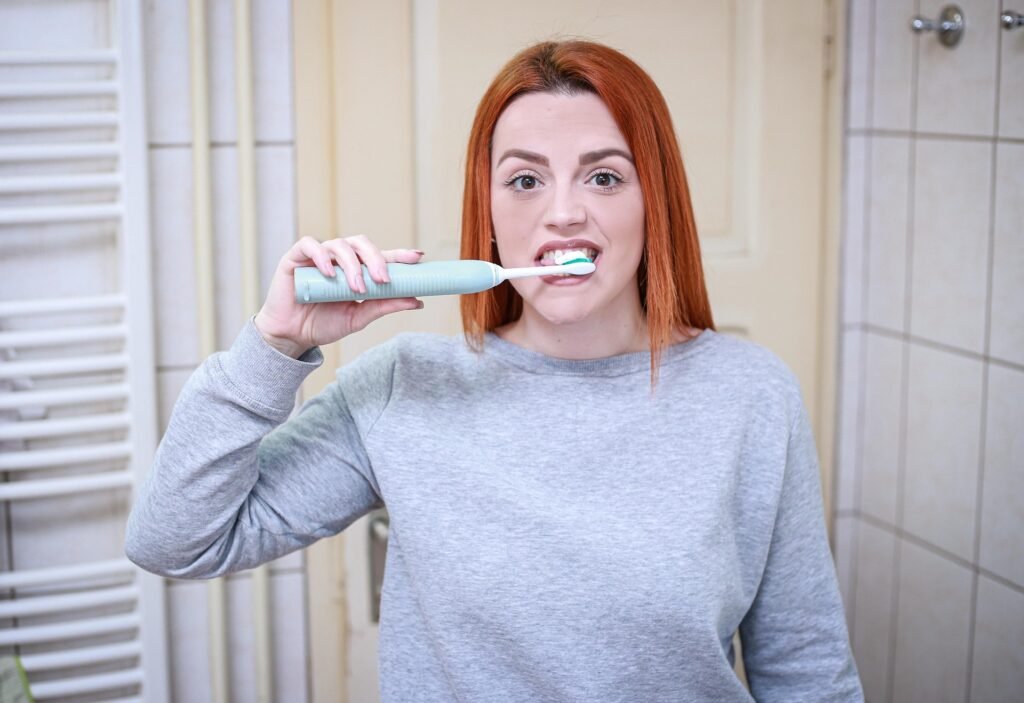
- Effective Brushing: We must brush our teeth at least twice a day for two minutes each time, using a soft-bristled toothbrush and fluoride toothpaste. The technique is essential; we need to reach all tooth surfaces, including the gum line, gently removing plaque without abrading the gums. Think of it as meticulously sweeping away the debris from our microscopic city.
- Flossing and Interdental Cleaning: Brushing alone cannot reach all plaque. Flossing or using interdental brushes is critical for removing plaque and food particles from between our teeth and under the gum line, areas where toothbrushes cannot effectively access. This is like clearing out the narrow alleyways and hidden corners of our city.
- Mouthwash Use (with caution): Therapeutic mouthwashes containing antimicrobials can be an adjunct to brushing and flossing, but they should not be seen as a replacement. We should consult our dentist or dental hygienist to determine if a mouthwash is appropriate for our individual needs.
The Indispensable Role of Professional Care
While home care is fundamental, professional dental care provides an essential layer of prevention and early detection.
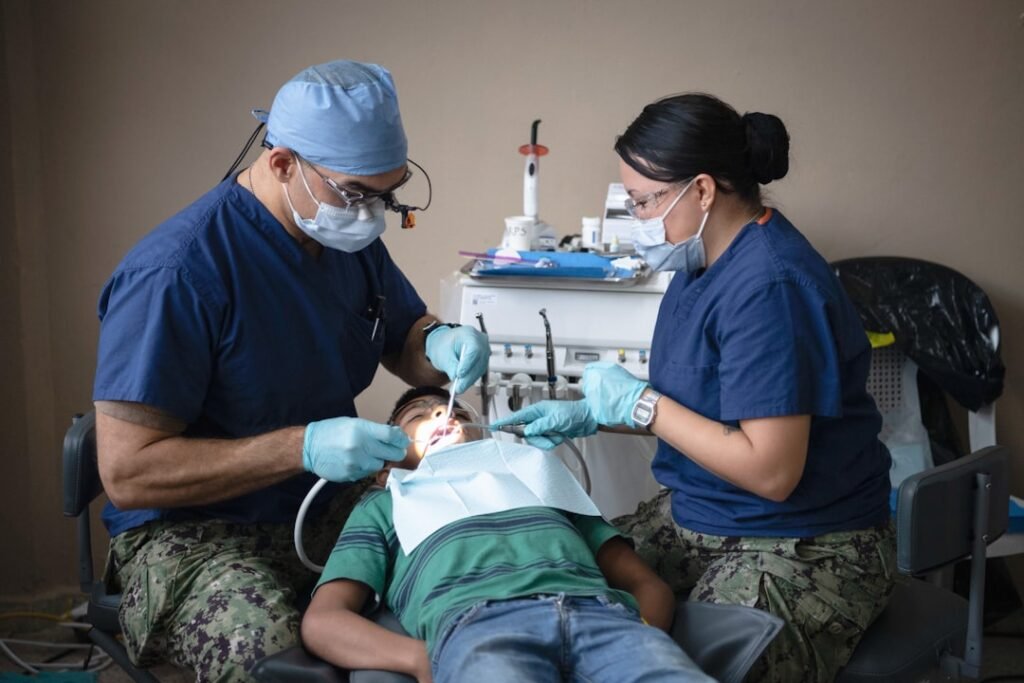
- Regular Dental Check-ups: We should schedule regular dental check-ups, typically every six months, or as recommended by our dentist. These appointments allow for early detection of plaque accumulation, cavities, and gum disease before they become severe.
- Professional Cleanings (Prophylaxis): During these cleanings, dental professionals remove calculus (tartar), which is hardened plaque that cannot be removed by brushing alone. This deep cleaning helps to disrupt biofilm formation and reduce the bacterial load in our mouths.
- Identification of Risk Factors: Our dentist can identify individual risk factors for plaque buildup and provide personalized advice on oral hygiene techniques and lifestyle modifications.
Lifestyle Choices for a Healthier Mouth
Beyond direct oral hygiene, our lifestyle choices significantly impact our susceptibility to plaque-related problems.
- Balanced Diet: Reducing our intake of sugary and highly processed foods is paramount. Opting for a diet rich in fruits, vegetables, and whole grains supports not only our oral health but our general well-being.
- Hydration: Drinking plenty of water helps to rinse away food particles and neutralize acids in the mouth. It’s a natural cleansing mechanism.
- Avoiding Tobacco Products: Smoking and other tobacco products severely compromise oral health. They impair the immune system, reduce blood flow to the gums, and significantly increase the risk of severe periodontal disease and oral cancer.
- Managing Systemic Conditions: For individuals with systemic conditions like diabetes, meticulous management of the disease is crucial for preventing and controlling gum disease.
In conclusion, plaque buildup, while seemingly innocuous, is a formidable adversary to our oral and systemic health. We have explored its intricate formation, its destructive path through our teeth and gums, and its surprising reach into our cardiovascular, metabolic, and respiratory systems. By understanding the science behind this persistent biofilm, we are better equipped to employ the tools at our disposal—diligent home care, regular dental visits, and informed lifestyle choices—to mitigate its dangers. Let us remember that our oral cavity serves as a mirror to our overall health, and by prioritizing its well-being, we invest in a healthier, more vibrant future for ourselves. We owe it to ourselves to remain vigilant against this microscopic menace.
FAQs
What is dental plaque?
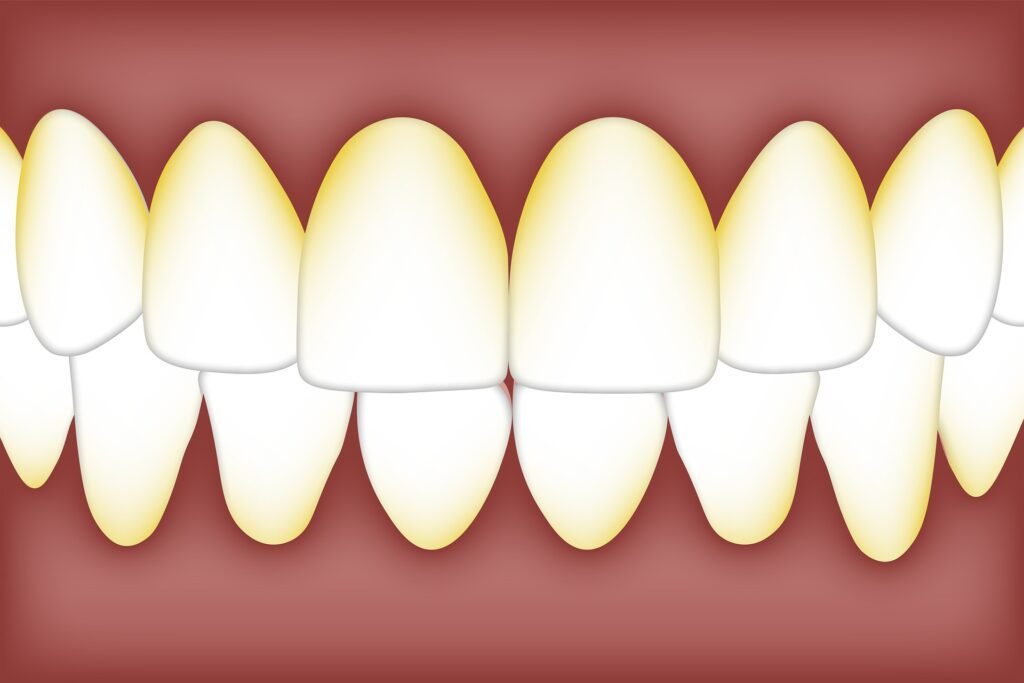
Dental plaque is a sticky, colorless or pale yellow film of bacteria that constantly forms on teeth. It develops when bacteria in the mouth mix with food particles and saliva.
How does plaque affect oral health?
Plaque can lead to tooth decay and gum disease if not removed regularly. The bacteria in plaque produce acids that erode tooth enamel and cause inflammation of the gums.
How can plaque be removed?
Plaque can be removed through regular brushing and flossing. Professional dental cleanings are also important to remove hardened plaque, known as tartar, that cannot be removed by brushing alone.
What are the signs of plaque buildup?
Signs of plaque buildup include a sticky feeling on the teeth, bad breath, and the appearance of a white or yellowish film on the teeth. If plaque hardens into tartar, it may appear as brown or yellow deposits near the gum line.
Can diet influence plaque formation?
Yes, consuming sugary and starchy foods can increase plaque formation because these foods provide fuel for bacteria to produce acids. Maintaining a balanced diet and limiting sugary snacks can help reduce plaque build-up.