Preventing Cavities: Tips for a Healthy Smile
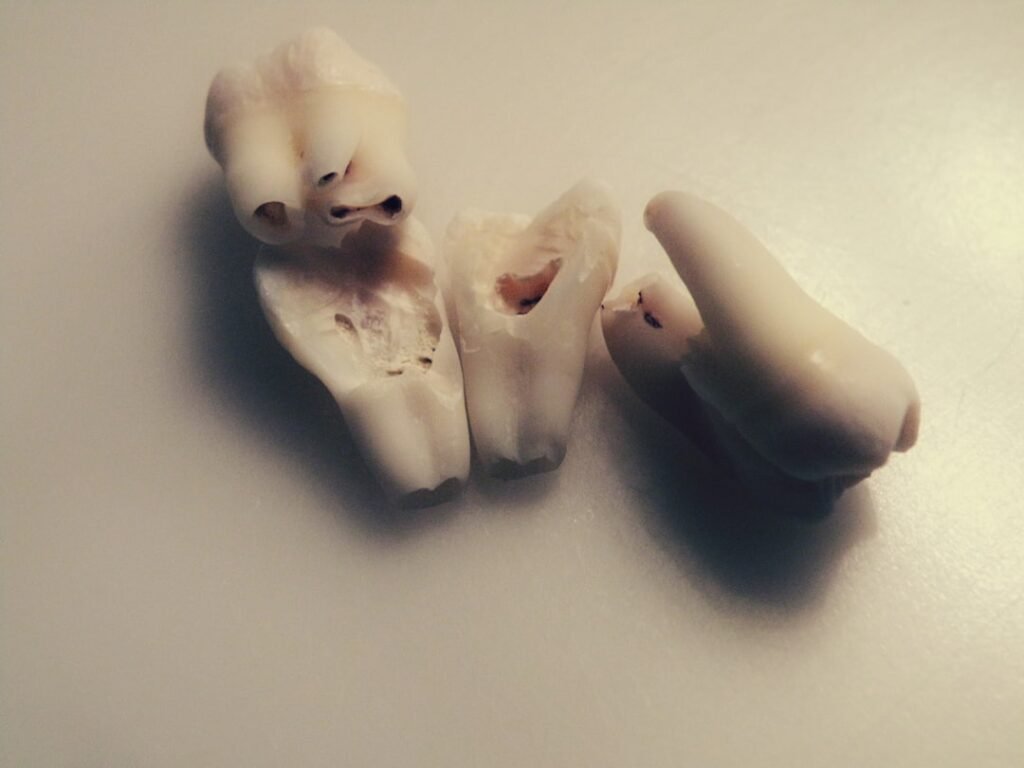
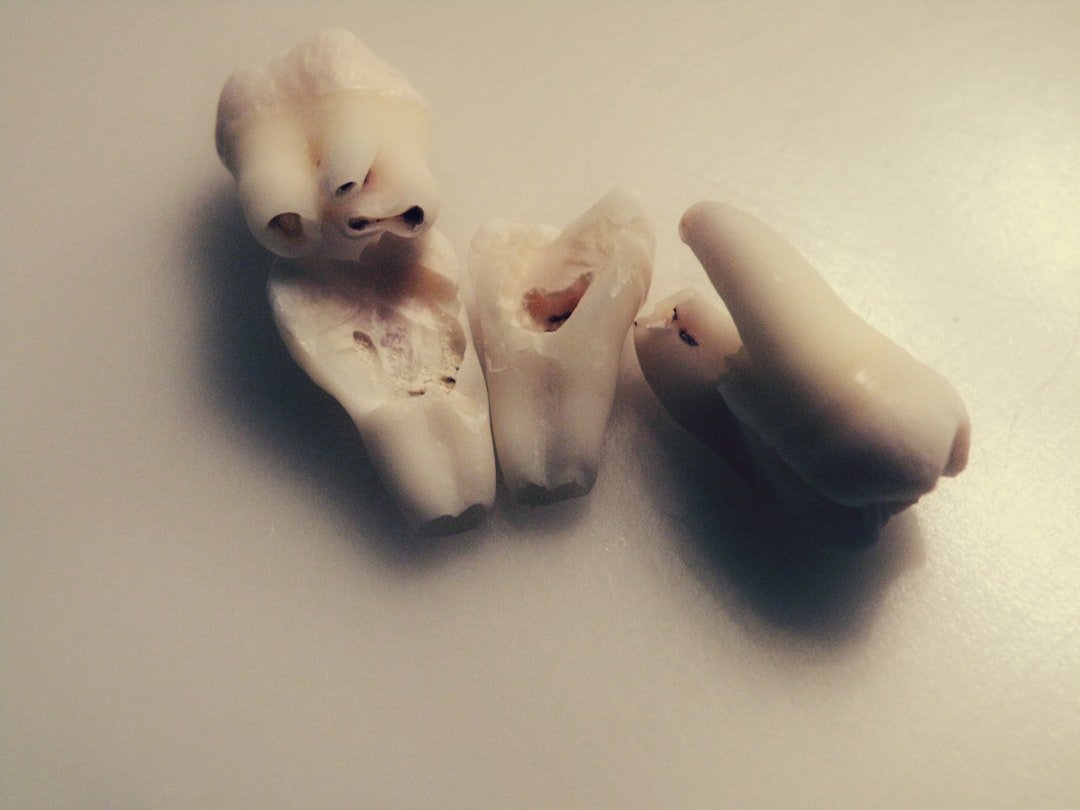
Cavities, also known as dental caries, are permanently damaged areas in the hard surface of our teeth that develop into tiny openings or holes. These detrimental formations are a significant concern for our oral health, acting as gateways for further complications. We often encounter them as a result of a complex interplay of factors, primarily the acid produced by bacteria in our mouths. When we consume foods and beverages high in sugars and starches, these bacteria feast upon them, converting these carbohydrates into acids. This acidic assault then begins to erode the enamel, the outermost protective layer of our teeth. Without intervention, this erosion continues, creating the characteristic holes we identify as cavities.
The Role of Plaque
Plaque, a sticky, colourless film of bacteria, is the primary culprit in the cavity formation process. It adheres tenaciously to our teeth, especially in hard-to-reach areas and along the gum line. Think of plaque as a silent, ever-present construction crew, constantly working to break down our dental defences. Frequent consumption of sugary and starchy foods provides the building blocks for this crew, empowering them to produce more acid. If we neglect daily oral hygiene, this plaque hardens into tartar, a calcified deposit that is even more difficult to remove and provides a rough surface for further bacterial accumulation.
Demineralization and Remineralization
Our teeth are in a constant state of flux, experiencing cycles of demineralization and remineralization. Demineralization refers to the loss of enamel minerals (primarily calcium and phosphate) due to acid exposure. Conversely, remineralization is the process by which these minerals are redeposited, often aided by fluoride. When the rate of demineralization outpaces remineralization, the enamel weakens, and a cavity begins to form. We can visualize this as a continuous tug-of-war, with our dietary choices and oral hygiene practices influencing which side wins.
Cavities, also known as dental caries, are a common dental issue that can lead to significant oral health problems if left untreated. For those looking to understand more about the prevention and treatment of cavities, a related article can be found at Howledge, which provides valuable insights into maintaining good dental hygiene and the importance of regular dental check-ups.
Building a Strong Defense: Our Daily Oral Hygiene Regime
The cornerstone of cavity prevention lies in establishing and rigorously maintaining a comprehensive daily oral hygiene regime. This isn’t merely a suggestion; it’s a critical daily investment in our long-term oral and overall health. We must approach this routine with diligence and understanding, recognizing that consistency is key.
Brushing: The Foundation of Cleanliness
Brushing our teeth twice daily for at least two minutes each time is non-negotiable. We should use a soft-bristled toothbrush and a fluoride toothpaste. Think of our toothbrush as a gentle but effective scrubber, meticulously removing plaque and food debris from all tooth surfaces. Electric toothbrushes can be particularly effective, offering consistent pressure and a wider range of motion than manual brushes. We must remember to brush all surfaces of our teeth – the outer, inner, and chewing surfaces – and pay special attention to the gum line. Failing to reach all areas is akin to cleaning only half a window; the job remains unfinished.
Flossing: Reaching the Unseen
Brushing, while essential, cannot reach all the nooks and crannies between our teeth and under the gum line. This is where flossing steps in as our indispensable ally. We should floss at least once a day, using a fresh section of floss for each tooth. Consider flossing as the specialized tool that removes the hidden dangers lurking in the crevices, preventing plaque and food particles from festering in these confined spaces. If we neglect flossing, we leave approximately 35% of our tooth surfaces uncleaned, providing a fertile ground for cavity development and gum disease.
Mouthwash: An Auxiliary Aid
While not a substitute for brushing and flossing, an antimicrobial or fluoride mouthwash can provide an additional layer of protection. Fluoride mouthwashes help to strengthen enamel and promote remineralization, while antimicrobial mouthwashes reduce the overall bacterial load in our mouths. We should view mouthwash as a supplementary measure, like a final rinse that helps to clear out any remaining microscopic debris, rather than a primary cleaning agent. However, it is crucial to select an appropriate mouthwash and consult with our dental professional if we have any specific concerns.
Fueling Our Smile: The Impact of Diet on Oral Health

What we consume directly influences the health of our teeth. Our dietary choices are powerful tools, capable of either strengthening our dental defenses or inadvertently weakening them. Understanding this connection allows us to make informed decisions that promote a cavity-free future.
Limiting Sugary and Acidic Foods and Beverages
Sugars are the primary fuel for the cavity-causing bacteria in our mouths. Every time we consume sugary foods or drinks, we are essentially providing a feast for these microorganisms. The frequency of sugar intake is often more detrimental than the amount. Sipping on sugary beverages throughout the day, for example, creates a continuous acidic environment, giving our enamel little opportunity to recover through remineralization. Acidic foods and drinks similarly erode enamel, even in the absence of sugar. We should be mindful of hidden sugars in processed foods and choose water over sugary drinks whenever possible. Consider sugar as a Trojan horse, seemingly innocuous but carrying an army of acidic attackers within its sweetness.
Embracing Nutrient-Rich Foods
A balanced diet, rich in fruits, vegetables, whole grains, and lean proteins, provides the essential nutrients our bodies need for overall health, including strong teeth and gums. Calcium, in particular, is vital for strong enamel, and we can find it in dairy products, leafy greens, and fortified foods. Vitamin D aids in calcium absorption, making sunlight exposure and certain foods like fatty fish important. Crunchy fruits and vegetables like apples and carrots can also act as natural toothbrushes, helping to dislodge food particles and stimulate saliva flow. Saliva, often overlooked, is our body’s natural defense mechanism, neutralizing acids and washing away food debris.
The Dental Professional: Our Partner in Prevention
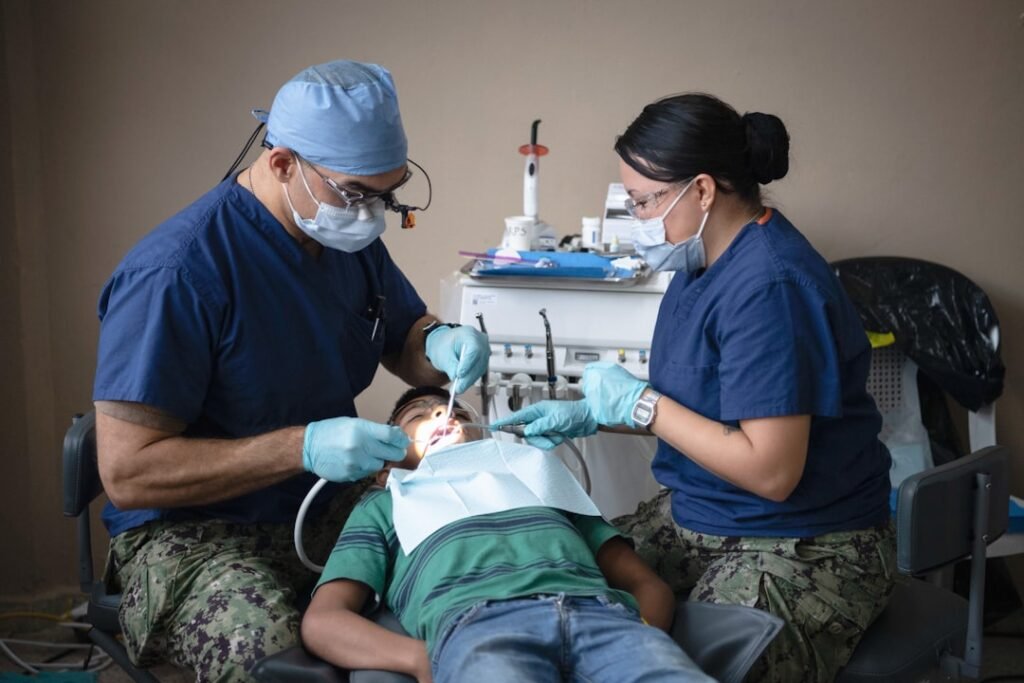
Regular visits to our dental professional are an indispensable component of any comprehensive cavity prevention strategy. They are not merely for addressing existing problems but, more importantly, for preventing them from occurring in the first place. Consider our dental professional as the highly trained expert who regularly inspects our dental fortress, identifying weak points and offering solutions before breaches occur.
Regular Check-ups and Cleanings
We should schedule dental check-ups and cleanings at least once a year, or more frequently if recommended by our dentist. During these appointments, our dental professional will examine our teeth and gums for any signs of decay, gum disease, or other oral health issues. They will also perform a professional cleaning, removing plaque and tartar that we may have missed with our daily brushing and flossing. These cleanings reach areas that are otherwise inaccessible, acting as a deep cleansing for our oral environment.
Professional Fluoride Treatments
For some individuals, particularly children and those at higher risk of cavities, professional fluoride treatments can provide an extra layer of protection. These treatments involve applying a highly concentrated fluoride gel, foam, or varnish to our teeth, which strengthens enamel and makes it more resistant to acid attacks. Think of this as applying a reinforced, protective coating to our teeth, making them more resilient to daily wear and tear.
Dental Sealants
Dental sealants are thin, plastic coatings applied to the chewing surfaces of our back teeth (molars and premolars). These teeth have deep grooves and pits where food particles and bacteria can easily get trapped, making them particularly vulnerable to cavities. Sealants act as a protective barrier, smoothing out these surfaces and preventing food and bacteria from accumulating. We can liken sealants to weatherproof coatings for the susceptible areas of our teeth, sealing off potential entry points for decay.
Cavities are a common dental issue that can lead to more serious health problems if left untreated. For those looking to understand the broader implications of dental health, a related article discusses the importance of maintaining good oral hygiene and its impact on overall well-being. You can read more about this topic in the article found here. Taking proactive steps to care for your teeth can significantly reduce the risk of developing cavities and promote a healthier lifestyle.
Special Considerations and Common Pitfalls
| Metric | Description | Typical Values | Notes |
|---|---|---|---|
| Prevalence | Percentage of population affected by cavities | 60-90% in children and adults | Varies by region and age group |
| DMFT Index | Decayed, Missing, and Filled Teeth index | 2-4 (average in children) | Higher values indicate worse dental health |
| Average Lesion Depth | Depth of cavity lesions in enamel/dentin | 0.5-2 mm | Depends on stage of decay |
| Fluoride Effectiveness | Reduction in cavity incidence with fluoride use | 20-40% decrease | Includes fluoridated water and toothpaste |
| Saliva pH | Average pH level affecting cavity formation | 6.2-7.4 | Lower pH increases risk of cavities |
| Average Treatment Time | Time to fill a cavity | 20-40 minutes | Depends on cavity size and location |
While the general principles of cavity prevention apply to everyone, we must also acknowledge certain special considerations and be aware of common pitfalls that can undermine our efforts. Recognizing these nuances allows us to tailor our approach for optimal efficacy.
Dry Mouth (Xerostomia)
Dry mouth, a condition where we produce insufficient saliva, significantly increases our risk of cavities. Saliva plays a crucial role in neutralizing acids, washing away food particles, and aiding in remineralization. When we have a dry mouth, these natural protective mechanisms are compromised. Dry mouth can be caused by various factors, including certain medications, medical conditions, and even stress. If we experience persistent dry mouth, we should consult our dental professional or physician. They can recommend strategies to manage this condition, such as using saliva substitutes or special toothpastes.
Dental Appliances and Orthodontics
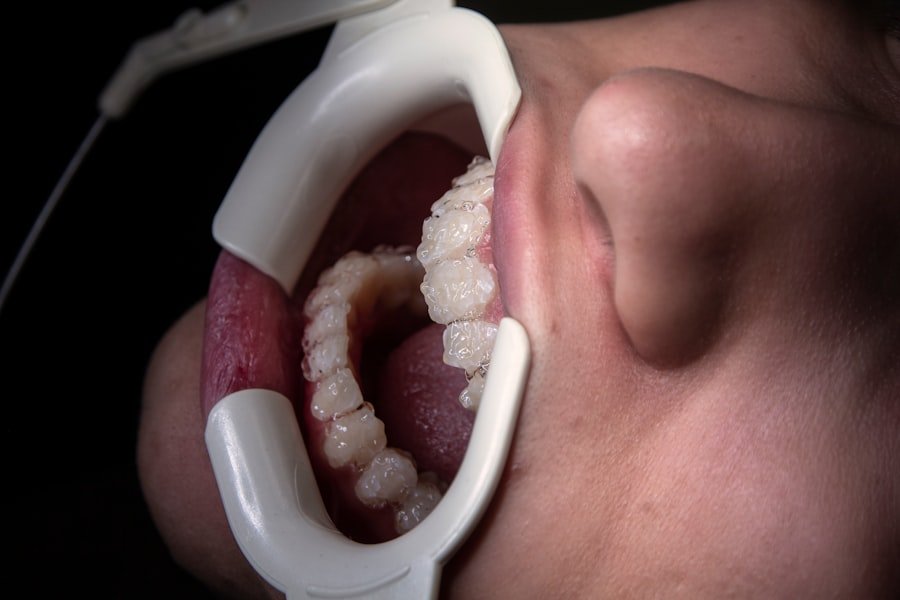
Individuals with dental appliances, such as braces, retainers, or partial dentures, face unique challenges in maintaining oral hygiene. These appliances can create additional surfaces and crevices where food particles and plaque can accumulate, making thorough cleaning more difficult. We must be extra diligent with our brushing and flossing techniques, potentially using specialized brushes or tools recommended by our orthodontist or dentist. Think of these appliances as intricate structures that require meticulous maintenance to prevent hidden problems.
Snacking Habits
Frequent snacking, especially on sugary or starchy foods, keeps our mouths in a constant state of acid production, accelerating demineralization. Each time we eat, our teeth are exposed to an acid attack. Allowing sufficient time between meals and snacks gives our saliva a chance to neutralize acids and initiate remineralization. If we must snack, we should opt for healthy, non-cariogenic options like cheese, nuts, or vegetables. We must consider our snacking habits as contributing factors to the duration and intensity of the acid attacks our teeth endure throughout the day.
FAQs
What causes cavities?
Cavities are caused by the buildup of plaque on teeth, which contains bacteria that produce acids. These acids erode the tooth enamel, leading to decay and the formation of cavities.
How can cavities be prevented?
Cavities can be prevented by maintaining good oral hygiene, including brushing teeth twice daily with fluoride toothpaste, flossing regularly, reducing sugar intake, and visiting the dentist for regular check-ups and cleanings.
What are the common symptoms of cavities?
Common symptoms of cavities include toothache, sensitivity to hot or cold foods and drinks, visible holes or pits in the teeth, and discoloration or staining on the tooth surface.
How are cavities treated?
Cavities are typically treated by removing the decayed portion of the tooth and filling it with a dental material such as composite resin, amalgam, or porcelain. In severe cases, a crown or root canal may be necessary.
Can cavities affect overall health?
Yes, untreated cavities can lead to infections, abscesses, and tooth loss, which may impact overall health. Severe dental infections can spread to other parts of the body and cause serious complications.