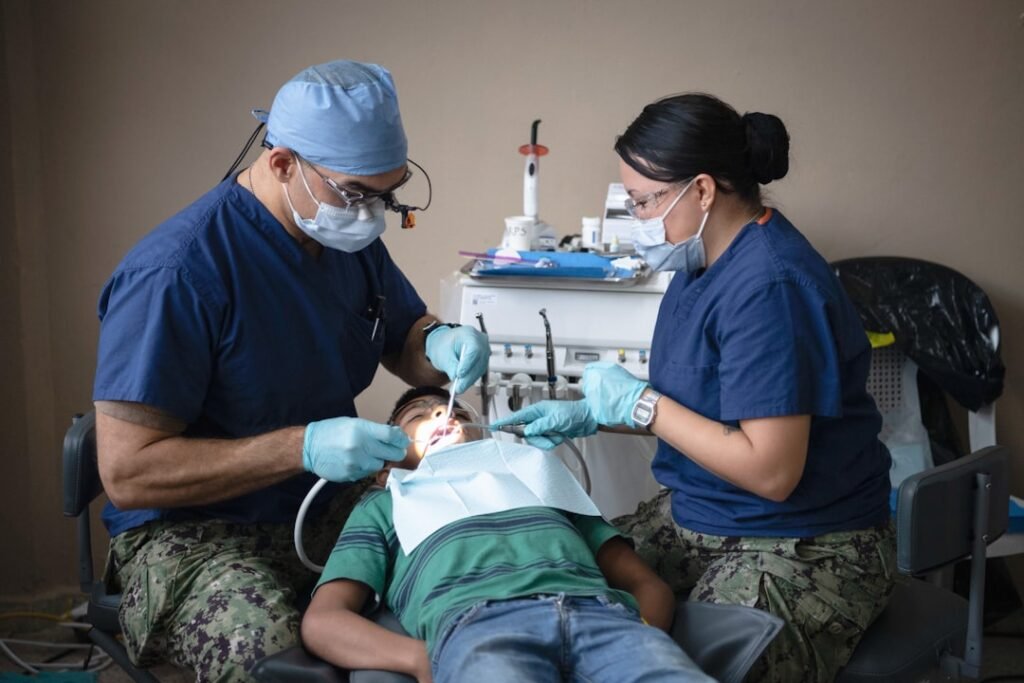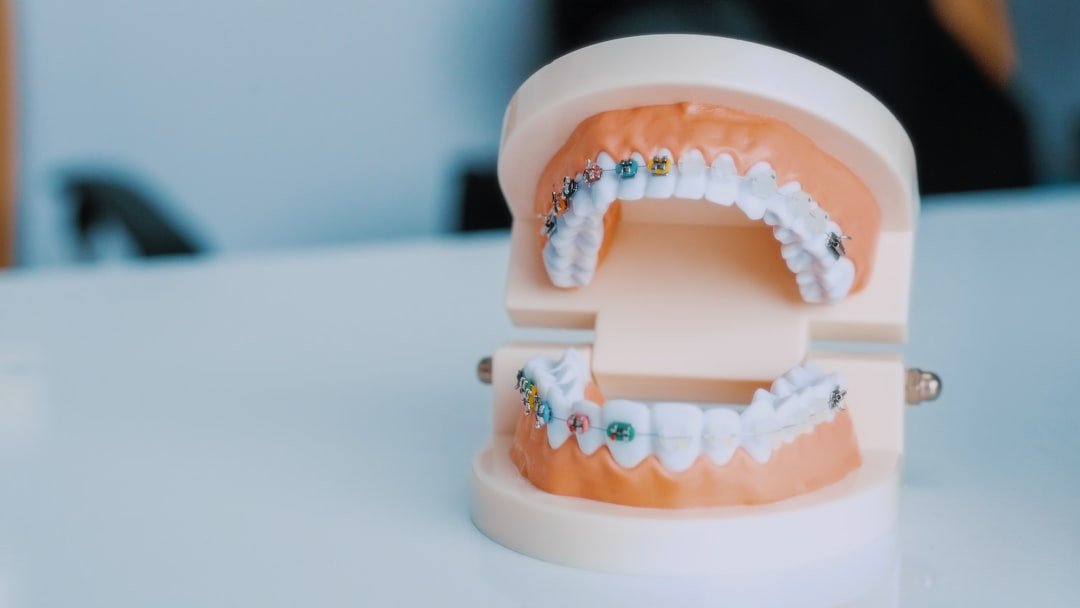
The Dangers of Tooth Decay: Prevention and Treatment
We often see our smiles as a mere aesthetic feature, a vibrant canvas for our expressions. However, beneath the surface of that gleaming smile lies a complex and vital system: our teeth. These remarkable structures are not just for chewing food; they are integral to our overall health and well-being. When we neglect their care, we invite a silent assailant – tooth decay – to wreak havoc. Understanding the dangers of tooth decay, and embracing proactive prevention and effective treatment, is paramount to safeguarding this essential part of ourselves.
Tooth decay, also known medically as dental caries, is a gradual process of tooth surface destruction. It’s not a sudden event, but rather a slow, insidious breakdown orchestrated by hostile forces within our mouths. Think of our teeth as fortresses, constantly under siege. The primary attackers are bacteria, predominantly Streptococcus mutans, naturally present in our oral environment. These microscopic invaders are not inherently malicious; they are simply opportunists seeking sustenance. Their preferred food source? The sugars and starches we consume.
The Bacterial Banquet: How Decay Takes Hold
When we eat or drink anything containing sugars or fermentable carbohydrates, these oral bacteria feast. As they metabolize these sugars, they produce acids as a metabolic byproduct. This acid is the real villain, a corrosive agent that begins to demineralize the hard outer shell of our teeth, the enamel. Enamel, while incredibly strong, is not impervious. It’s akin to a protective shield, and the constant barrage of acid weakens its defenses, creating microscopic pores and fissures.
The Acidic Rain: Demineralization and Its Consequences
This demineralization process is the first stage of tooth decay. The enamel loses essential minerals like calcium and phosphate, becoming softer and more susceptible to further damage. Imagine a perfectly smooth stone being exposed to constant acid rain; over time, its surface will become pitted and rough. This weakened enamel is the bridge that allows the decay process to advance deeper into the tooth.
The Progression of the Cavity: From Enamel to Dentin and Beyond
If left unchecked, the decay will penetrate the enamel and reach the dentin, the layer beneath the enamel. Dentin is softer and more porous than enamel, meaning the decay progresses much more rapidly here. This is often when we start to notice symptoms, as the protective barrier has been breached. The bacteria and their acidic byproducts can now more easily access the sensitive inner structures of the tooth.
The Pulp’s Peril: Infection and Inflammation
The deepest part of the tooth is the pulp, which contains nerves, blood vessels, and connective tissue. If decay reaches the pulp, it can cause significant inflammation and infection. This is where the real pain often sets in. The pulp becomes a battleground, and the infection can spread beyond the tooth, potentially leading to more serious systemic issues.
Tooth decay is a prevalent issue that affects individuals of all ages, often leading to more serious dental problems if left untreated. For those interested in understanding the underlying causes and preventive measures for tooth decay, a related article can provide valuable insights. You can read more about this topic in the article found here: Understanding Tooth Decay and Its Prevention.
The Hidden Dangers: Consequences of Untreated Tooth Decay
The implications of unchecked tooth decay extend far beyond a simple toothache. It’s a domino effect, where one neglected problem can trigger a cascade of other health concerns. We often underestimate the interconnectedness of our oral health with our overall well-being, but the truth is, a compromised mouth can cast a long shadow on the rest of our body.
Beyond the Toothache: Pain and Discomfort
The most immediate and obvious consequence of advanced tooth decay is pain. As decay encroaches on the dentin and pulp, it exposes the nerve endings to stimuli, leading to sensitivity to hot, cold, and even sweet substances. This pain can range from a dull ache to a sharp, throbbing sensation that disrupts sleep, concentration, and our ability to enjoy basic pleasures like eating. Imagine a small crack in a dam; it might not be a problem initially, but it can widen and eventually lead to catastrophic failure.
The Spectrum of Infection: Abscesses and Beyond
Untreated decay can lead to the formation of dental abscesses, pockets of pus that form due to bacterial infection. These are not minor inconveniences; abscesses can be incredibly painful and, if left untreated, the infection can spread to surrounding tissues, including the jawbone, sinuses, and even the bloodstream. This latter scenario, known as sepsis, is a life-threatening condition requiring immediate medical intervention.
The Gum’s Grievance: Gum Disease Complications
Tooth decay and gum disease, or periodontitis, are often partners in crime. As bacteria proliferate in the mouth due to poor oral hygiene, they not only attack the teeth but also the gums. Decayed teeth can harbor bacteria that irritate the gums, exacerbating inflammation and contributing to gum recession and bone loss. In severe cases, the bacteria from infected teeth can enter the bloodstream through damaged gum tissue, potentially contributing to systemic inflammation linked to heart disease, stroke, and diabetes.
The Missing Pieces: Tooth Loss and Its Ramifications
Ultimately, severely decayed or infected teeth may need to be extracted. The loss of even a single tooth can have a ripple effect. It can lead to shifting of adjacent teeth, affecting our bite and making it harder to chew effectively. This can impact our nutrition, as we may avoid certain foods due to difficulty in chewing. Furthermore, tooth loss can affect our speech and self-confidence. Imagine a row of perfectly lined bricks; if one is removed, the stability of the entire wall is compromised.
The Systemic Shadow: The Mouth-Body Connection
The evidence is mounting: oral health is not isolated. Chronic inflammation from untreated tooth decay and gum disease has been linked to a variety of systemic health problems. These include cardiovascular disease, diabetes complications, respiratory infections, and adverse pregnancy outcomes. Our mouths are gateways; what happens there can influence the entire body’s internal environment.
The Shield Against the Storm: Prevention Strategies

Fortunately, tooth decay is largely preventable. We possess the power to build a robust defense against these microscopic invaders and their destructive agenda. Prevention is always more effective, and less costly, than treatment. It’s about establishing good habits that become second nature, like tending to a well-maintained garden.
The Daily Ritual: Brushing for Defense
Consistent and effective tooth brushing is our first line of defense. We must brush at least twice a day, for two minutes each time, using a fluoride toothpaste. Fluoride is a superhero mineral that strengthens enamel, making it more resistant to acid attacks, and it can even help to remineralize early stages of decay. It’s like fortifying the castle walls with extra layers of steel. The technique is crucial: we need to ensure we are reaching all surfaces of our teeth, including the back molars and the surfaces facing the tongue and cheek. A soft-bristled toothbrush is best to avoid damaging gums and enamel.
The Interdental Intervention: Flossing for Fortification
Brushing alone cannot reach the tight spaces between our teeth, where food particles and plaque can hide, creating breeding grounds for bacteria. This is where flossing comes in. We should floss at least once a day, ideally before bed, to remove these trapped debris. Think of flossing as cleaning the nooks and crannies of our fortress that the main guards (the toothbrush) might miss. Proper flossing technique involves gently sliding the floss between teeth and curving it around the base of each tooth to remove plaque.
The Sweet Temptation: Dietary Choices Matter
Our dietary habits are a direct fuel source for decay-causing bacteria. Limiting our intake of sugary drinks and snacks is paramount. Sugary beverages, like sodas, juices, and even sports drinks, are particularly insidious because they coat our teeth in sugar. Frequent snacking throughout the day also means our teeth are constantly being exposed to acids. It’s like giving the bacteria a constant buffet. Prioritizing a balanced diet rich in fruits, vegetables, and lean proteins, while minimizing processed foods and refined sugars, will significantly reduce the fuel available for decay.
The Water’s Wisdom: The Power of Hydration
Drinking plenty of water, especially fluoridated water, is beneficial. Water helps to rinse away food particles and acids from our teeth, and fluoride, as mentioned, strengthens enamel. Saliva itself is our mouth’s natural cleaning agent and buffer against acid, and adequate hydration supports saliva production. Imagine water as a gentle stream that washes away the debris after a skirmish.
The Topical Shield: Dental Sealants
For children and even adults with deep grooves in their molars, dental sealants can provide an extra layer of protection. Sealants are thin plastic coatings applied to the chewing surfaces of back teeth. They effectively create a smooth barrier, preventing food particles and plaque from getting trapped in the grooves, where decay often begins. This is like sealing off the weak points in our armor before the enemy can exploit them.
The Repair Crew: Effective Treatment Options
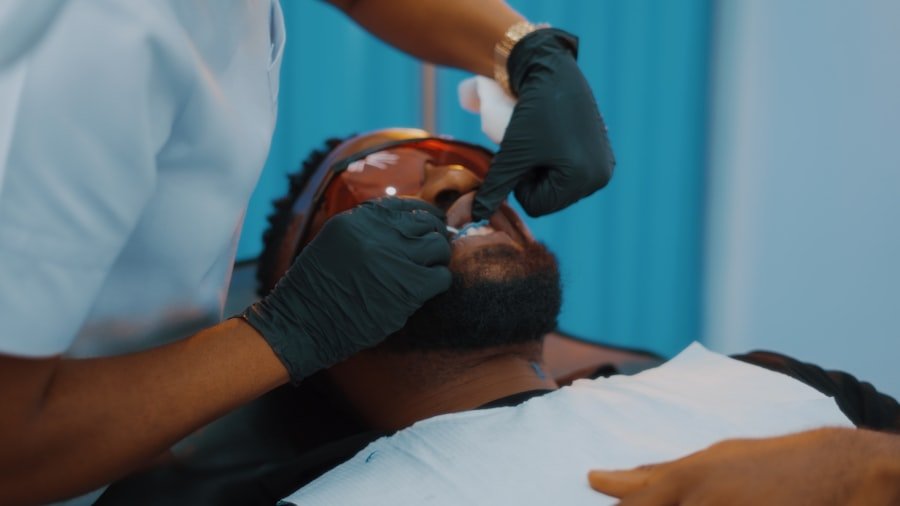
When prevention falters and decay takes hold, prompt and appropriate treatment is essential to halt its progress and restore the health of our teeth. The goal is to remove the decayed portion and rebuild the tooth structure, preventing further damage and discomfort.
The Minimal Intervention: Professional Cleanings and Fluoride Treatments
| Metric | Value | Unit | Description |
|---|---|---|---|
| Prevalence in Children (Ages 6-11) | 45 | % | Percentage of children affected by tooth decay |
| Prevalence in Adolescents (Ages 12-19) | 59 | % | Percentage of adolescents affected by tooth decay |
| Average Number of Decayed Teeth per Child | 1.5 | teeth | Mean number of decayed teeth in children with tooth decay |
| Percentage of Adults with Untreated Tooth Decay | 27 | % | Adults with untreated cavities |
| Fluoride Use Effectiveness | 25-30 | % reduction | Reduction in tooth decay incidence with fluoride use |
| Average Time for Cavity Formation | 6 | months | Time it typically takes for a cavity to form after enamel demineralization |
| Recommended Brushing Frequency | 2 | times/day | Number of times to brush teeth daily to prevent decay |
For very early stages of decay where enamel demineralization is present but no cavity has formed, professional cleanings and fluoride treatments administered by a dentist or dental hygienist can be highly effective. These treatments aim to remove plaque and tartar buildup and reintroduce essential minerals to the enamel, essentially reversing the early damage. This is akin to a skilled artisan carefully polishing away minor imperfections before they become significant flaws.
The Cavity Excavation: Fillings
When a cavity has formed, the most common treatment is a dental filling. This procedure involves removing the decayed portion of the tooth with a dental drill and then filling the space with a restorative material. Common filling materials include composite resin (tooth-colored), amalgam (silver-colored), and glass ionomer. The dentist carefully sculpts the filling to match the natural contour of the tooth, restoring its form and function. This is like patching a hole in a wall with durable material to prevent further structural damage.
The Root’s Reckoning: Root Canal Therapy
If decay progresses into the pulp of the tooth, causing infection or severe inflammation, root canal therapy may be necessary. This procedure involves removing the infected or inflamed pulp tissue, cleaning and disinfecting the inside of the tooth, and then filling and sealing the root canals. While often feared, modern root canal therapy is a highly successful procedure that can save a badly damaged tooth from extraction. It’s a complex surgical procedure, like performing intricate internal repairs on a vital system to prevent its complete breakdown.
The Last Resort: Extractions
In cases where a tooth is too severely damaged or infected to be saved through other means, extraction may be the only viable option. This involves the surgical removal of the tooth. While it may seem like a drastic measure, sometimes it’s necessary to prevent further infection and complications. Following an extraction, we will discuss options for replacing the missing tooth, such as dental implants, bridges, or dentures, to restore function and prevent surrounding teeth from shifting. This is like removing a compromised piece from a larger structure to ensure the integrity of the whole.
The Advanced Arsenal: Crowns and Other Restorations
For teeth that are heavily damaged by decay but still viable for preservation, dental crowns may be recommended. A crown is a cap that completely covers the tooth, restoring its shape, strength, and appearance. It’s like giving a damaged structure a protective and reinforcing exoskeleton. In cases of significant tooth structure loss, more complex restorations like inlays and onlays might also be used.
Tooth decay is a common dental issue that can lead to significant health problems if left untreated. It is essential to understand the causes and prevention methods associated with this condition. For those interested in learning more about the implications of poor dental hygiene, a related article discusses various aspects of oral health and its impact on overall well-being. You can read more about it in this informative piece on oral health. Taking proactive steps to maintain good dental hygiene can help prevent tooth decay and ensure a healthier smile.
The Ongoing Vigil: Maintaining Oral Health for Life
The fight against tooth decay is not a battle won and forgotten; it’s a continuous process of vigilance and care. Maintaining excellent oral hygiene throughout our lives is the most powerful weapon we possess. It’s about establishing a lifelong commitment to our oral well-being, treating our mouths with the respect and attention they deserve.
The Dentist’s Domain: Regular Check-ups
Regular dental check-ups and professional cleanings are non-negotiable components of lifelong oral health. Dentists are trained to detect early signs of decay that we might miss, often before symptoms even appear. They can also identify gum disease, oral cancer, and other potential problems. These appointments are like scheduled maintenance checks for our dental health, ensuring that any emerging issues are addressed swiftly. We should aim for these check-ups at least twice a year, or as recommended by our dental professional.
The Sensitive Signals: Recognizing Warning Signs
It’s crucial for us to be attuned to our bodies and recognize the subtle warning signs of potential problems. This includes increased tooth sensitivity, persistent bad breath, bleeding gums, toothaches, and any changes in the appearance or feel of our teeth and gums. Ignoring these signals is like ignoring a warning light on a car’s dashboard; it can lead to much bigger and more costly problems down the road.
The Reinforcing Reinforcement: Fluoride’s Role
We should continue to utilize fluoride in our oral hygiene routine, whether through fluoridated toothpaste, mouth rinses, or professional treatments. Fluoride acts as a constant shield, strengthening our enamel and offering an ongoing defense against acid attacks. We must remember that this mineral is a powerful ally in our fight against decay.
The Lifestyle Equation: Sustaining Good Habits
Our lifestyle choices have a profound impact on our oral health. This means continuing to make conscious decisions about our diet, limiting sugary and acidic foods and drinks, and avoiding habits like smoking, which can dramatically increase the risk of oral health problems, including decay and gum disease. It’s about integrating oral health into our broader strategies for a healthy life.
The Future of Our Grin: Embracing Innovation
The field of dentistry is constantly evolving, with new technologies and treatments emerging to improve oral health outcomes. From advanced diagnostic tools to minimally invasive restorative techniques, we should remain open to discussing and embracing these innovations with our dental professionals. This ensures we are always benefiting from the latest advancements in protecting and restoring our smiles. Our teeth are an invaluable investment, and the effort we put into their care today will pay dividends in the form of a healthy, confident smile for years to come.
FAQs
What causes tooth decay?
Tooth decay is caused by the buildup of plaque, a sticky film of bacteria on the teeth. When you consume sugary or starchy foods, the bacteria produce acids that attack the tooth enamel, leading to decay.
What are the common symptoms of tooth decay?
Common symptoms include toothache, sensitivity to hot or cold foods and drinks, visible holes or pits in the teeth, discoloration, and bad breath.
How can tooth decay be prevented?
Tooth decay can be prevented by maintaining good oral hygiene, such as brushing twice daily with fluoride toothpaste, flossing regularly, reducing sugar intake, and visiting the dentist for regular check-ups and cleanings.
Is tooth decay reversible?
In its early stages, tooth decay can be reversed through remineralization with fluoride treatments and improved oral care. However, once a cavity forms, professional dental treatment is necessary to repair the damage.
What treatments are available for tooth decay?
Treatment options depend on the severity of decay and may include fluoride treatments, dental fillings, crowns, root canals, or in severe cases, tooth extraction. Early detection and treatment are important to prevent complications.